Short · Engineering
Why are jet turbine blades grown as a single crystal?
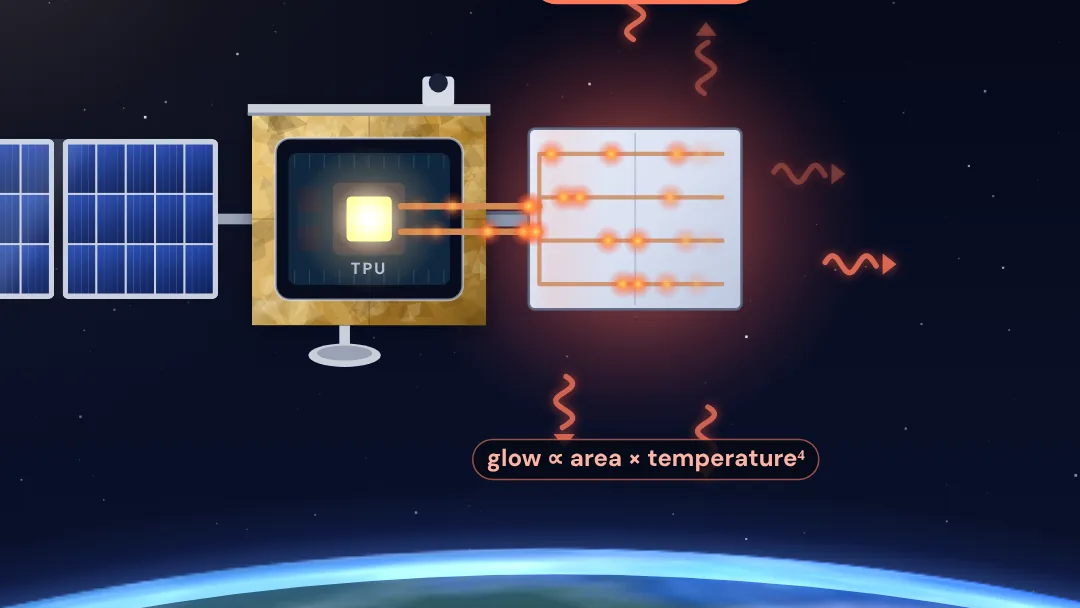
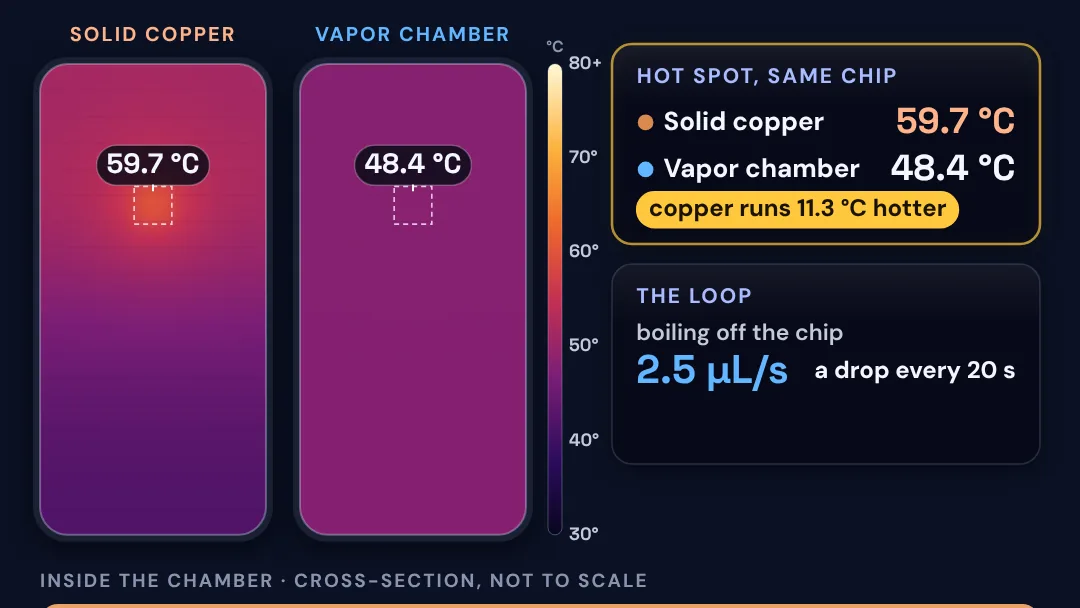
A viral post says a jet engine is harder to make than a nuke, because of the turbine blades. Here’s what makes them special. The gas hitting them is hotter than the metal’s own melting point; cooling air through tiny holes and a ceramic coat keep the metal just below it. But hot, spinning metal slowly stretches (creep), and it gives way along the boundaries between its grains. So engineers remove the boundaries: the blade freezes upward from a chilled plate, and a corkscrew called a pigtail lets only one crystal through. It grows into the whole blade.
Opens Crystal Blade Lab. Change the same thing yourself.

Transcript
A viral post says a jet engine is harder to make than a nuke, because of the turbine blades. Here's what makes them special. The gas hitting them is hotter than the metal's own melting point. Cooling air through tiny holes, and a ceramic coat, keep the metal just below it. But hot, spinning metal slowly stretches, and it gives way along the boundaries between its grains. So engineers remove the boundaries. Now pour the blade. The metal freezes upward from a chilled plate, and many crystals race into a corkscrew called a pigtail. Only one makes it through, and it grows into the whole blade: a single crystal. Follow for more explainers like this.
Learn more
Learn more about single-crystal turbine blades
This model shows why grain boundaries limit a hot turbine blade and how a pigtail grows it as one crystal. The guide adds the cooling and coating, the history and where the model stops.
- Topic guideWhy are jet turbine blades grown as a single crystal?Hotter than melting, creep at grain boundaries, the pigtail and the caveats.
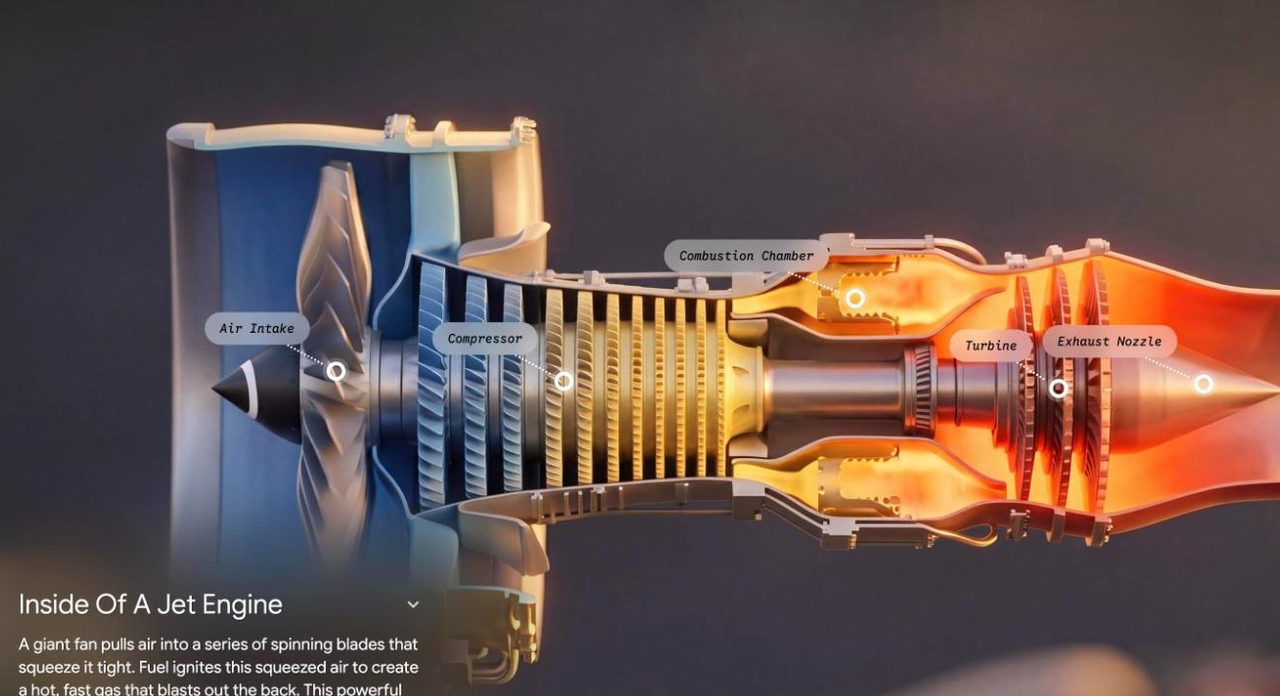 Interactive demoInside Of A Jet EngineInside Of A Jet Engine: where the turbine blades sit (Google Gemini).by Google Gemini · Opens on the creator’s site
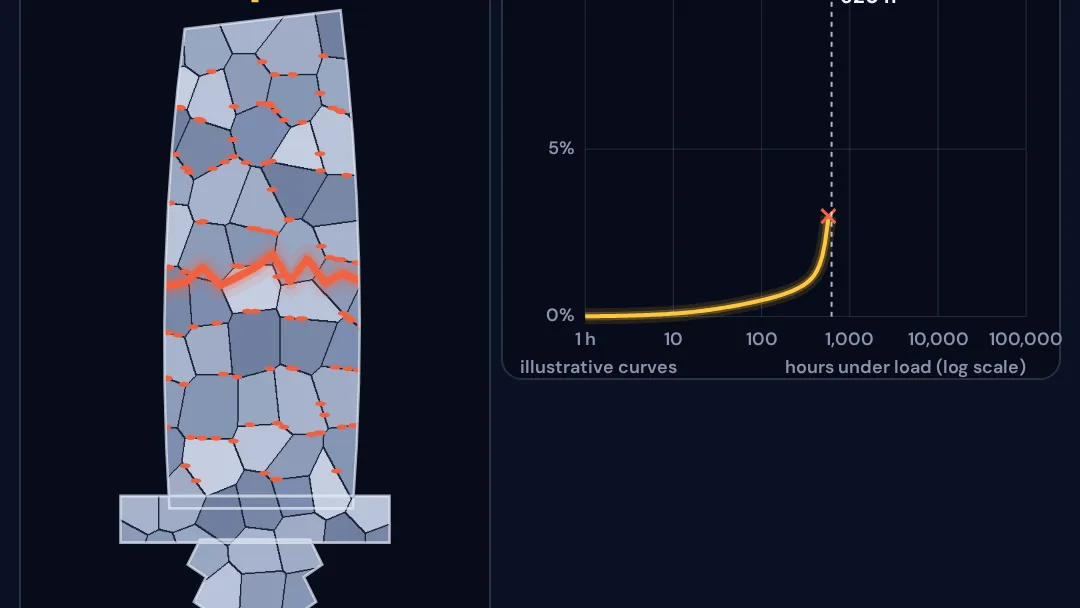 JournalWhy are jet turbine blades grown as a single crystal?Turbine blades run in gas hotter than their melting point. Cooling keeps them solid, but hot metal creeps at grain boundaries, so they’re cast as one crystal.