See the idea move
Science explainer Shorts and films
Thirty-second Shorts and short narrated films about physics, engineering, space and everyday technology, plus films about the creators who make the web’s best interactive explainers. Each explainer comes with a model you can play with.
Shorts
Thirty seconds, one idea
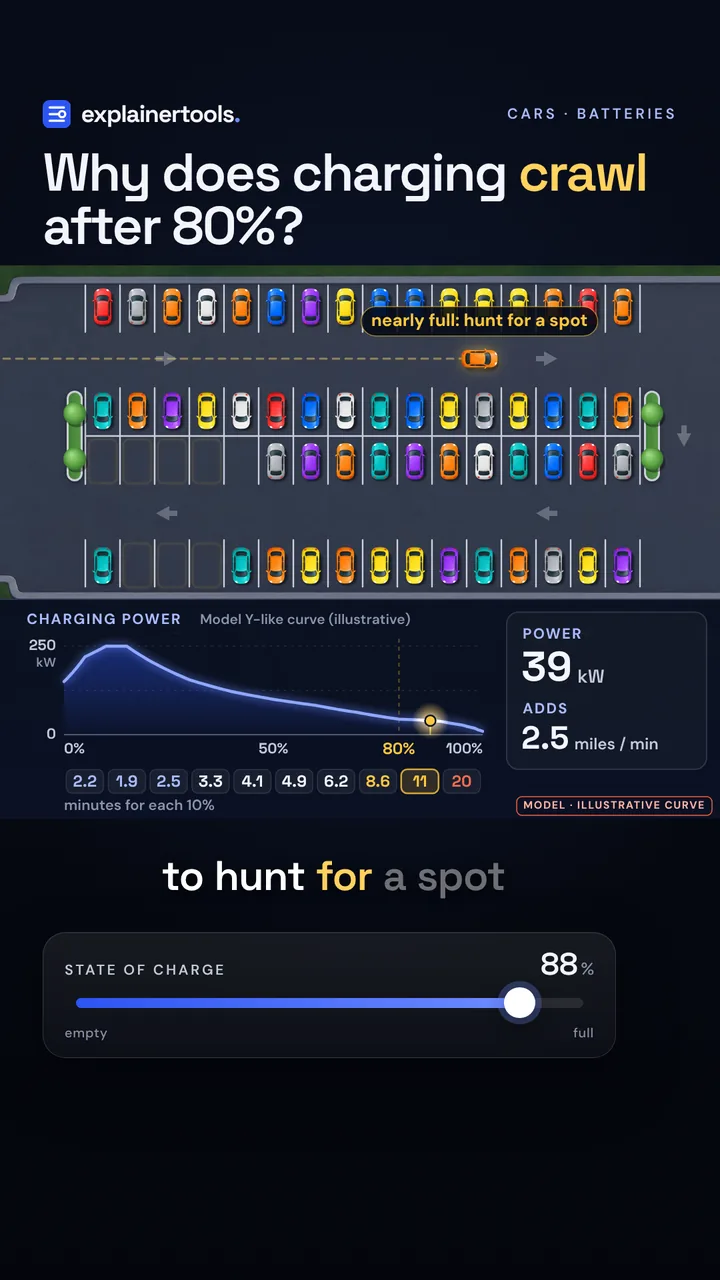
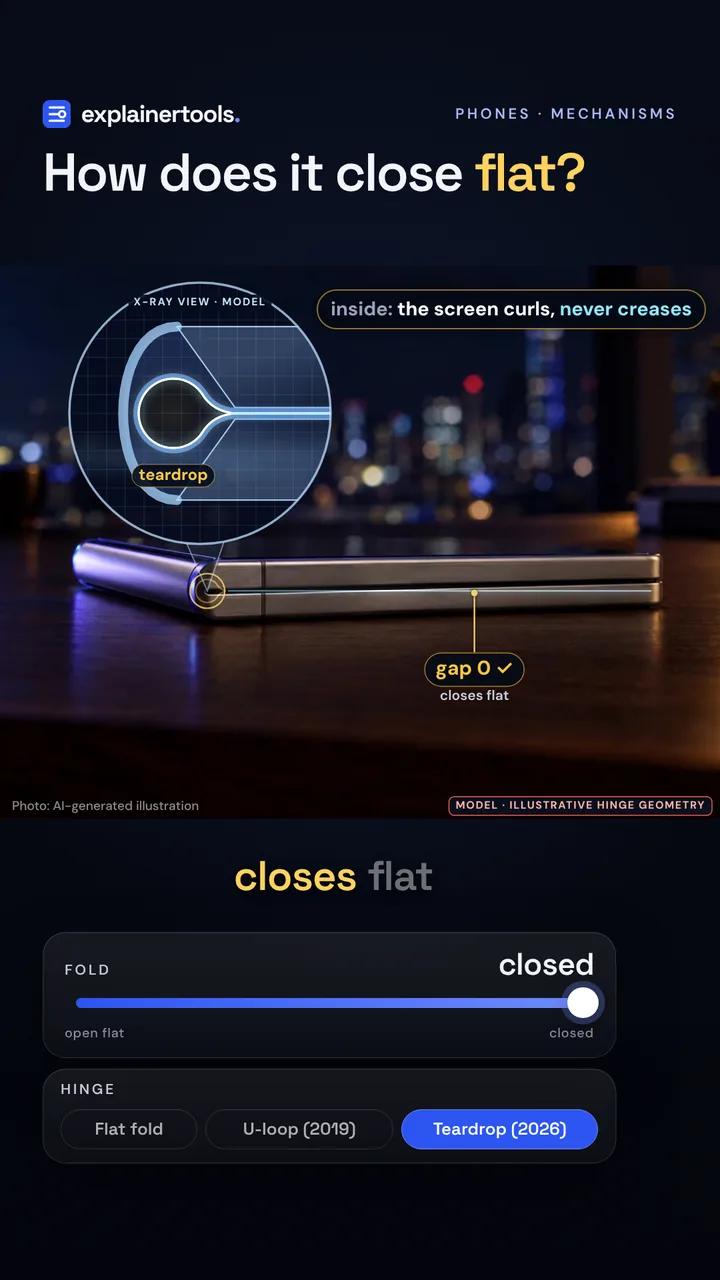
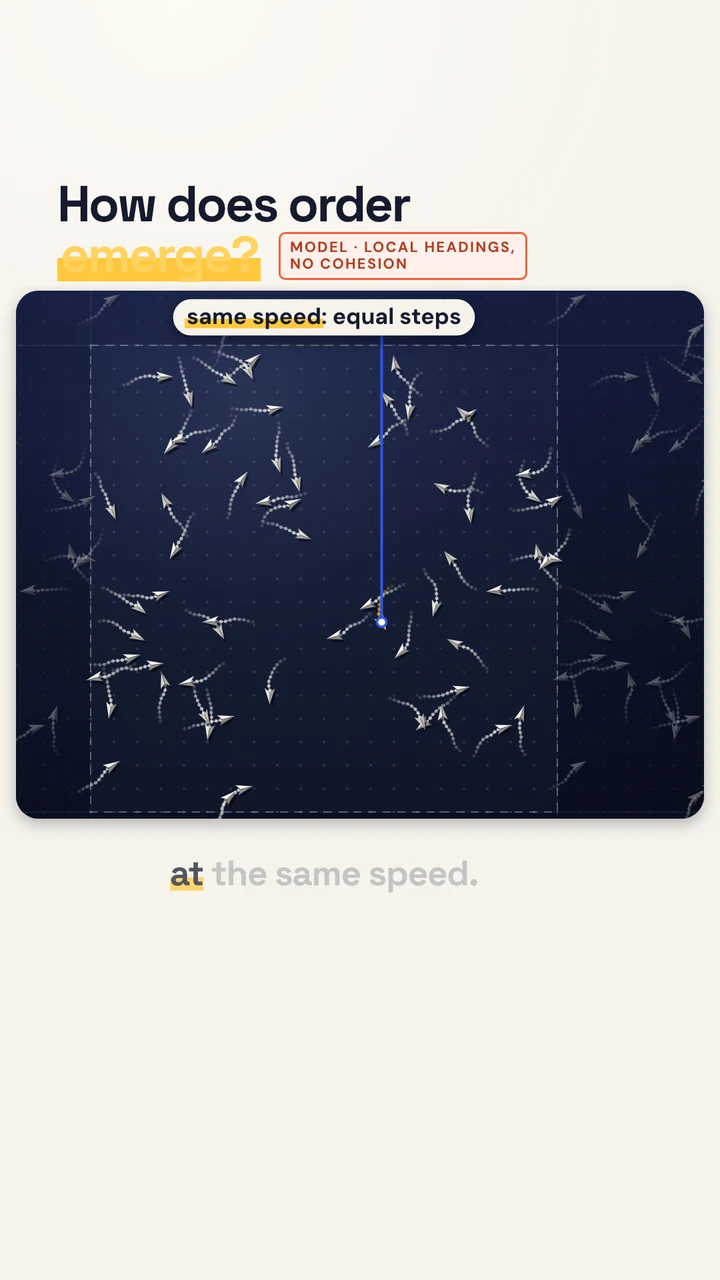
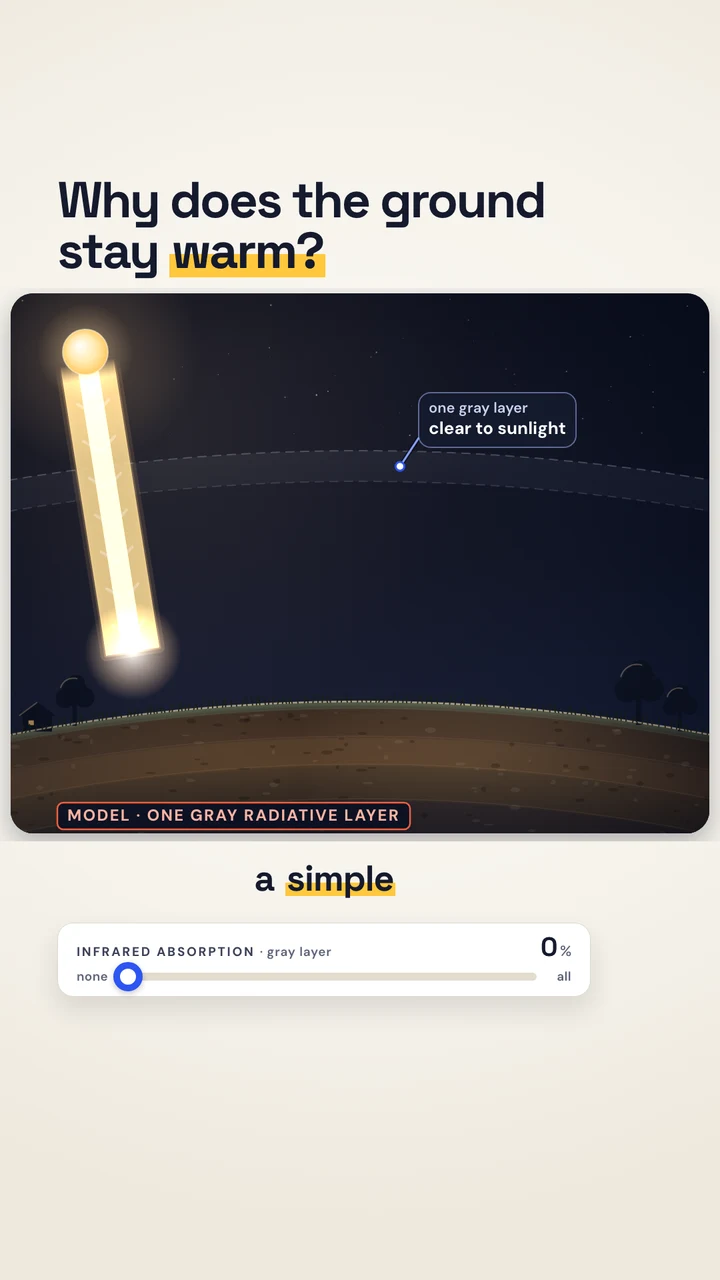
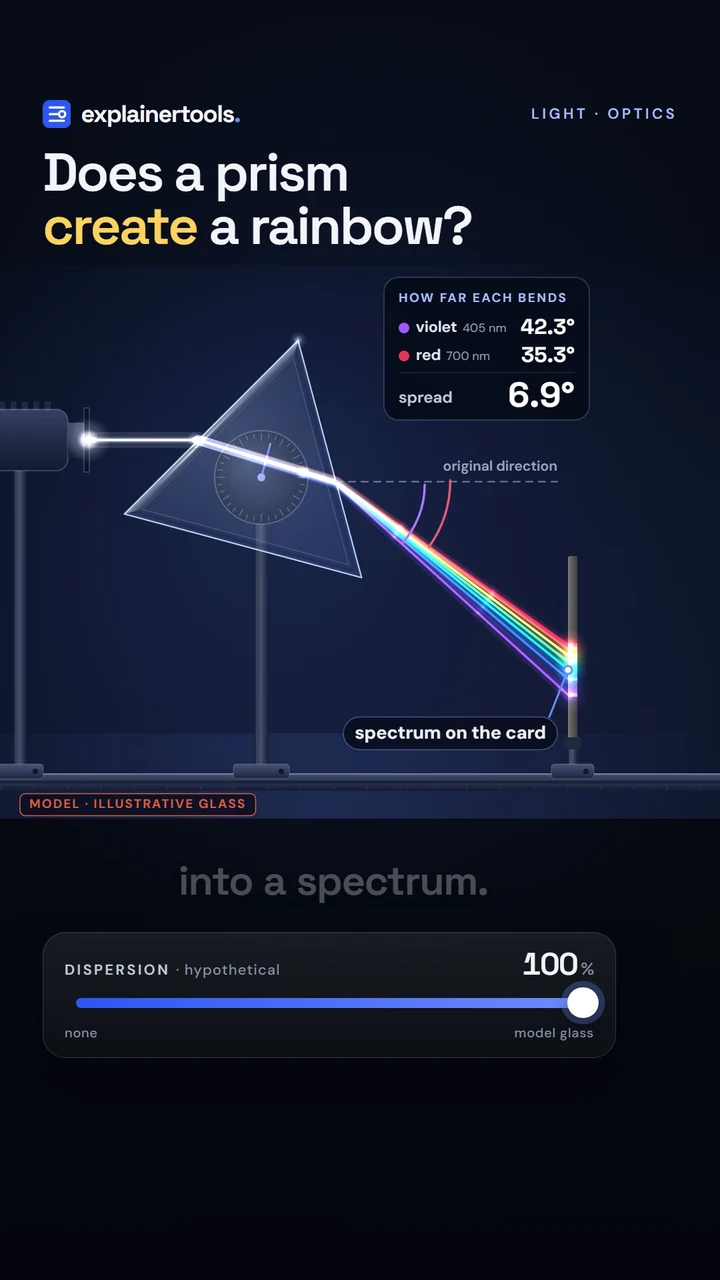
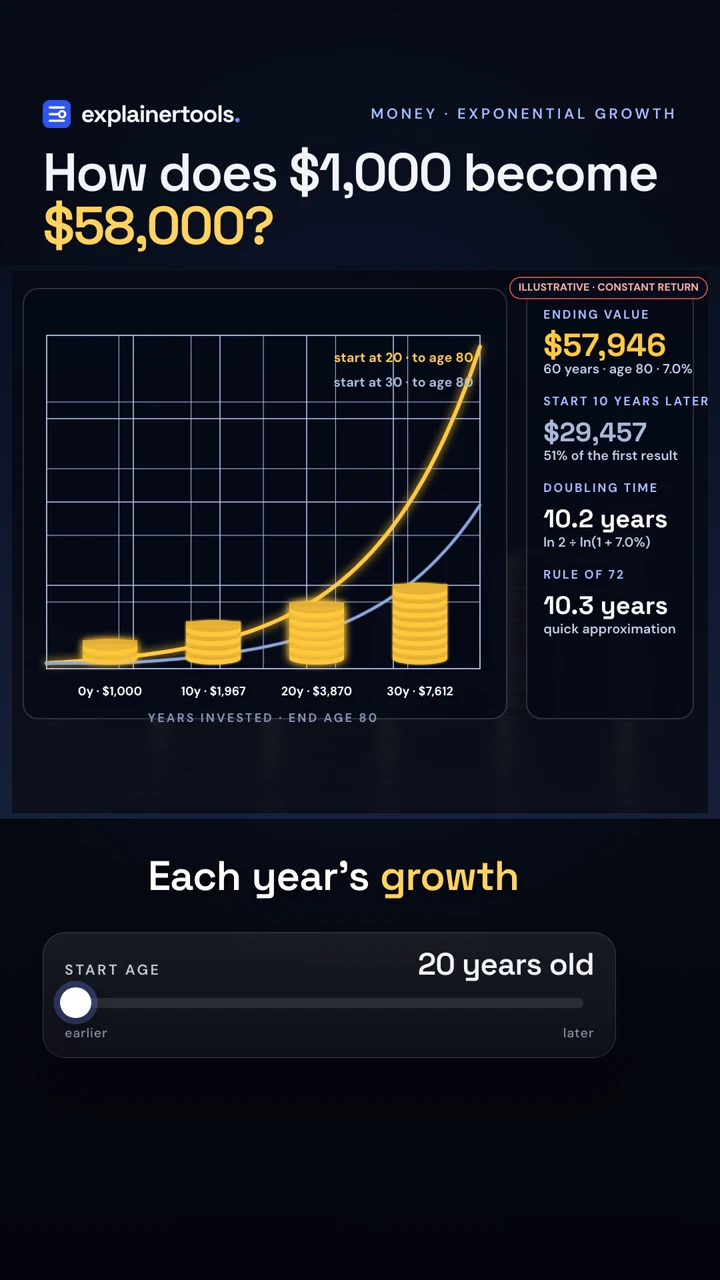
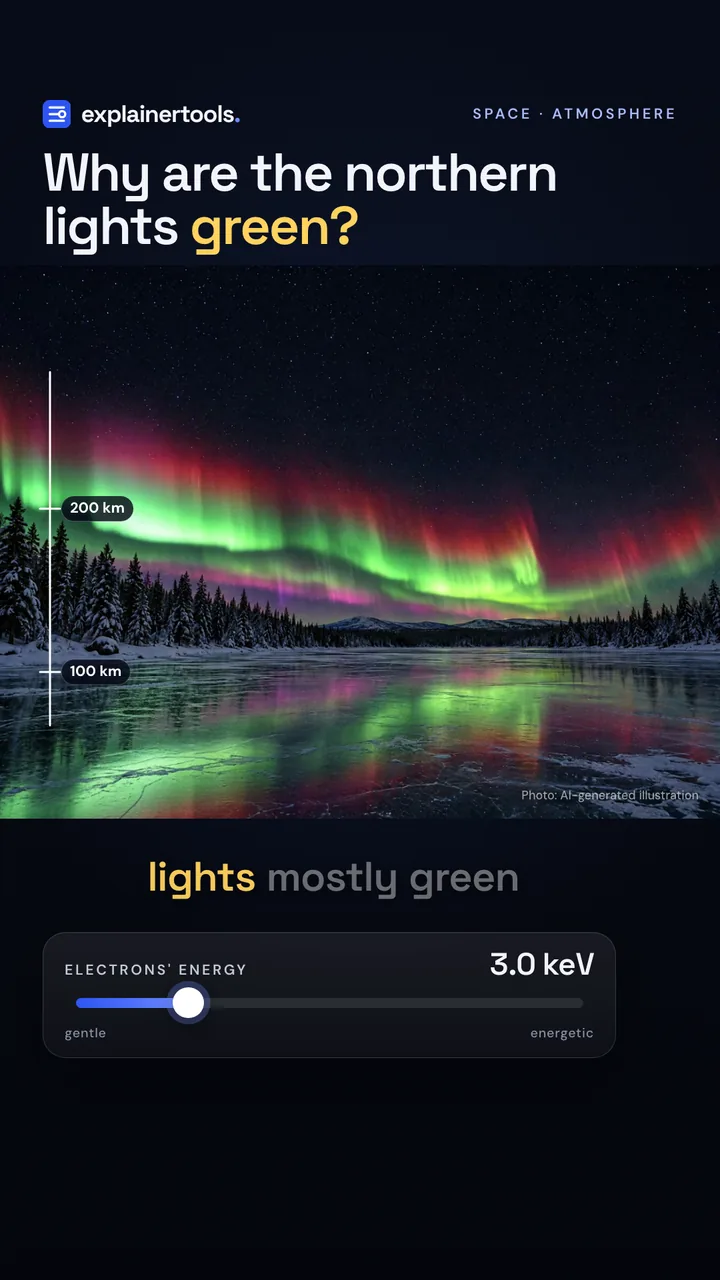
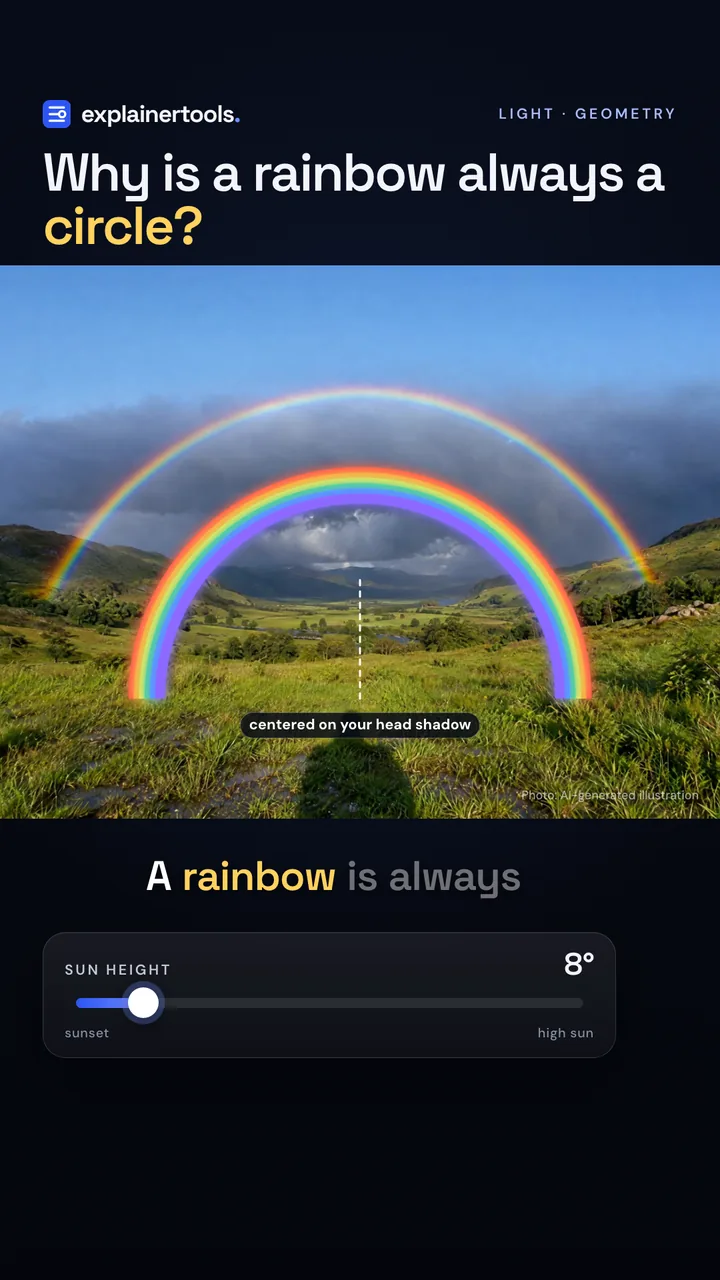
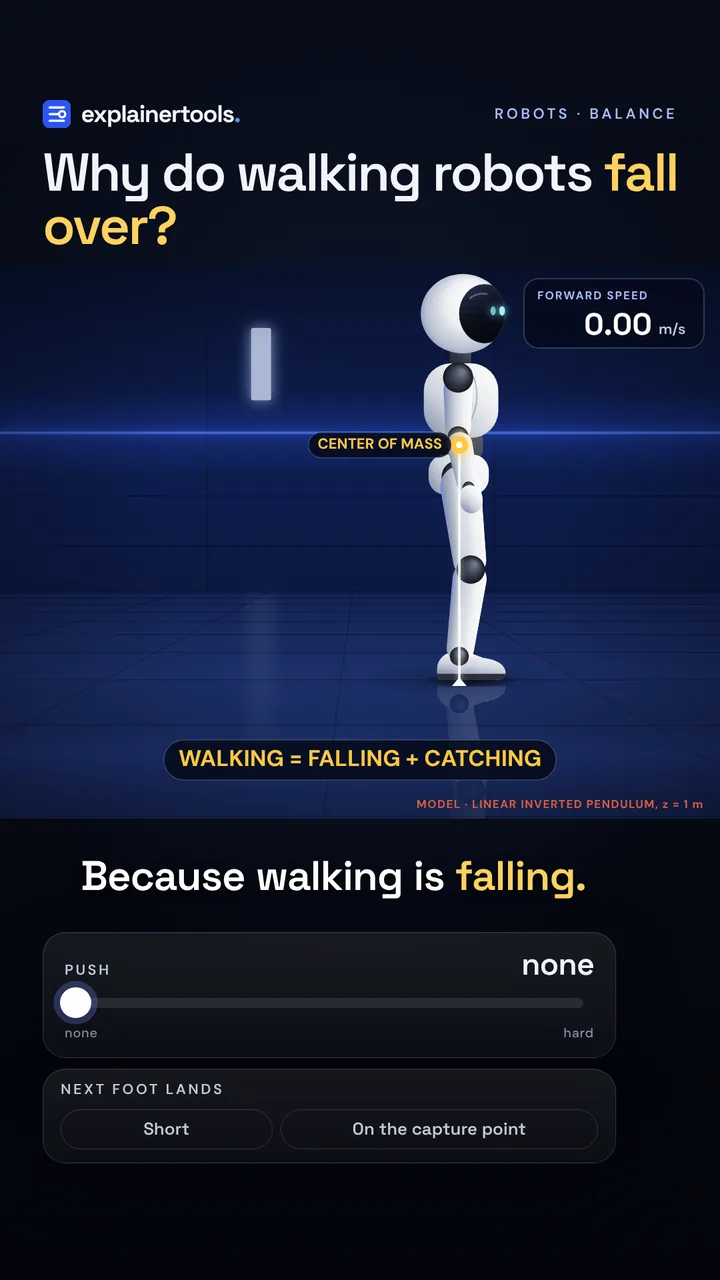
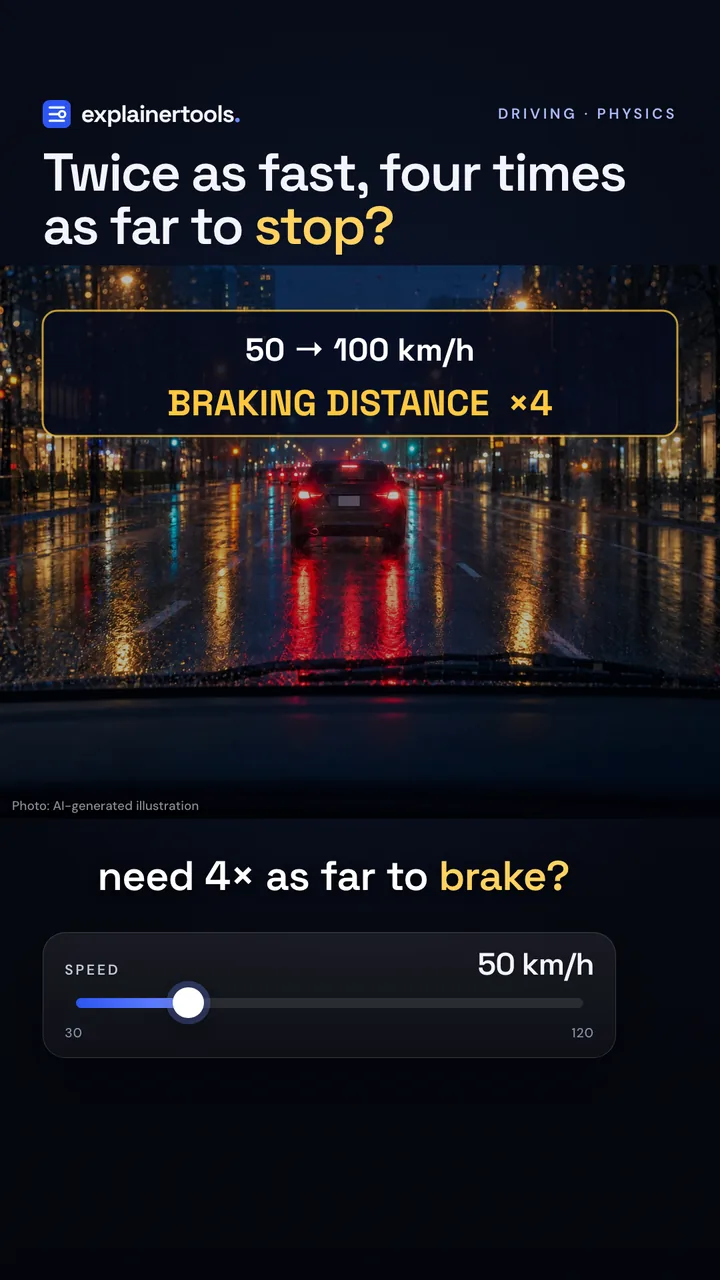
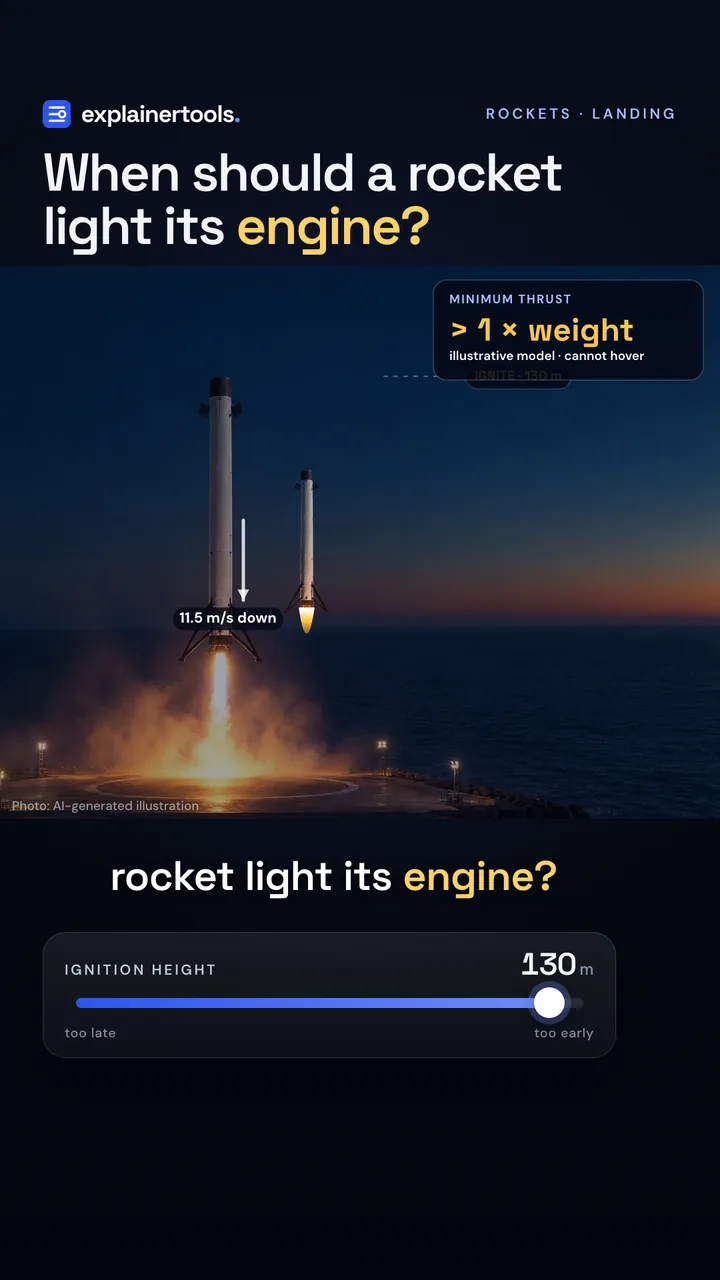
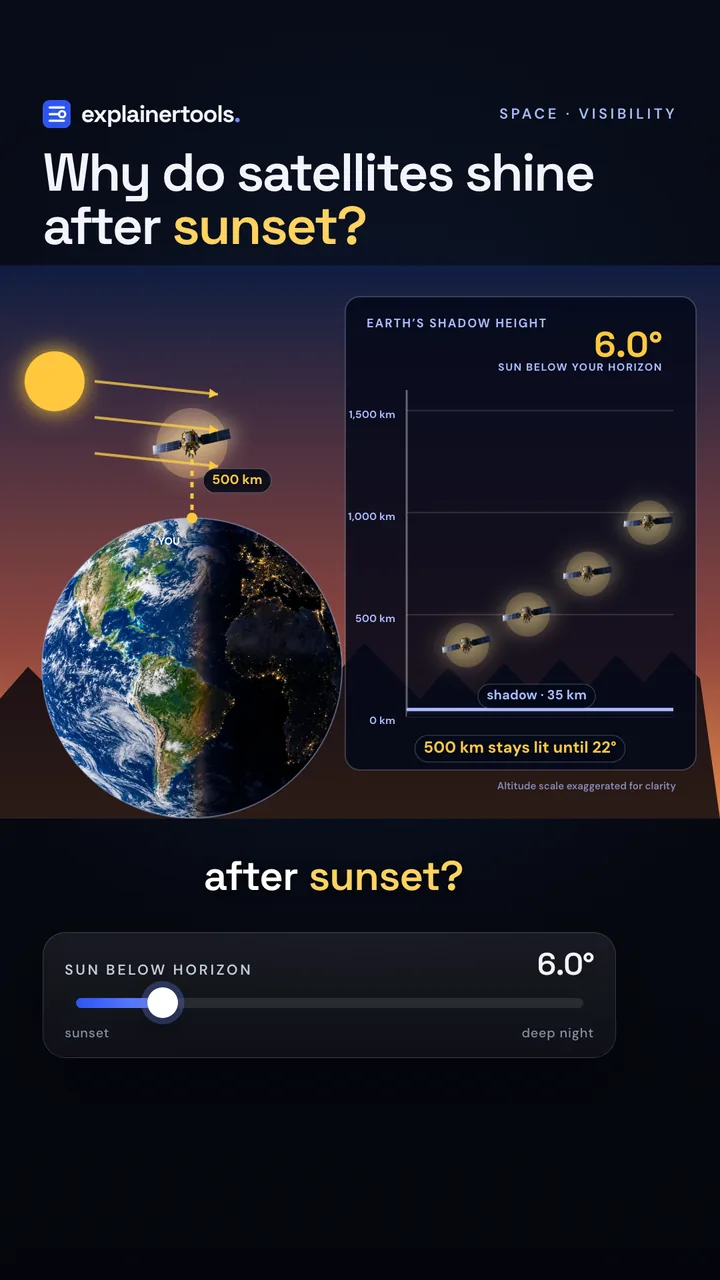
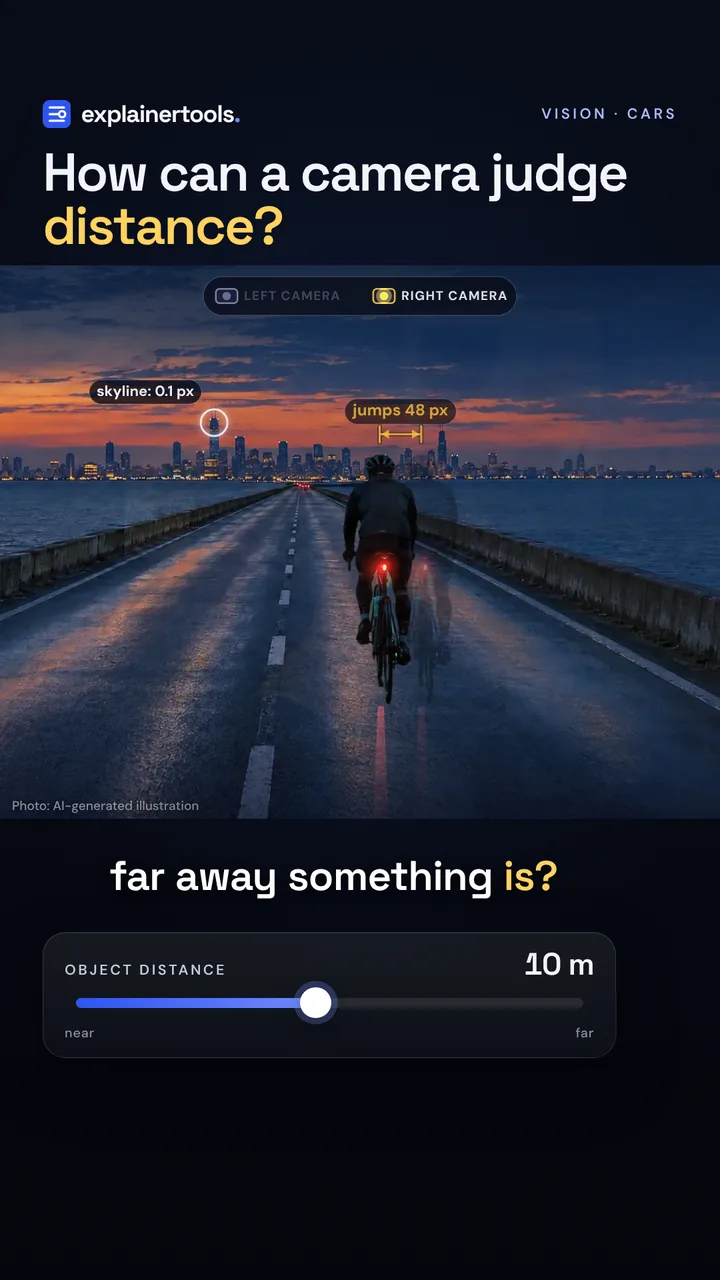
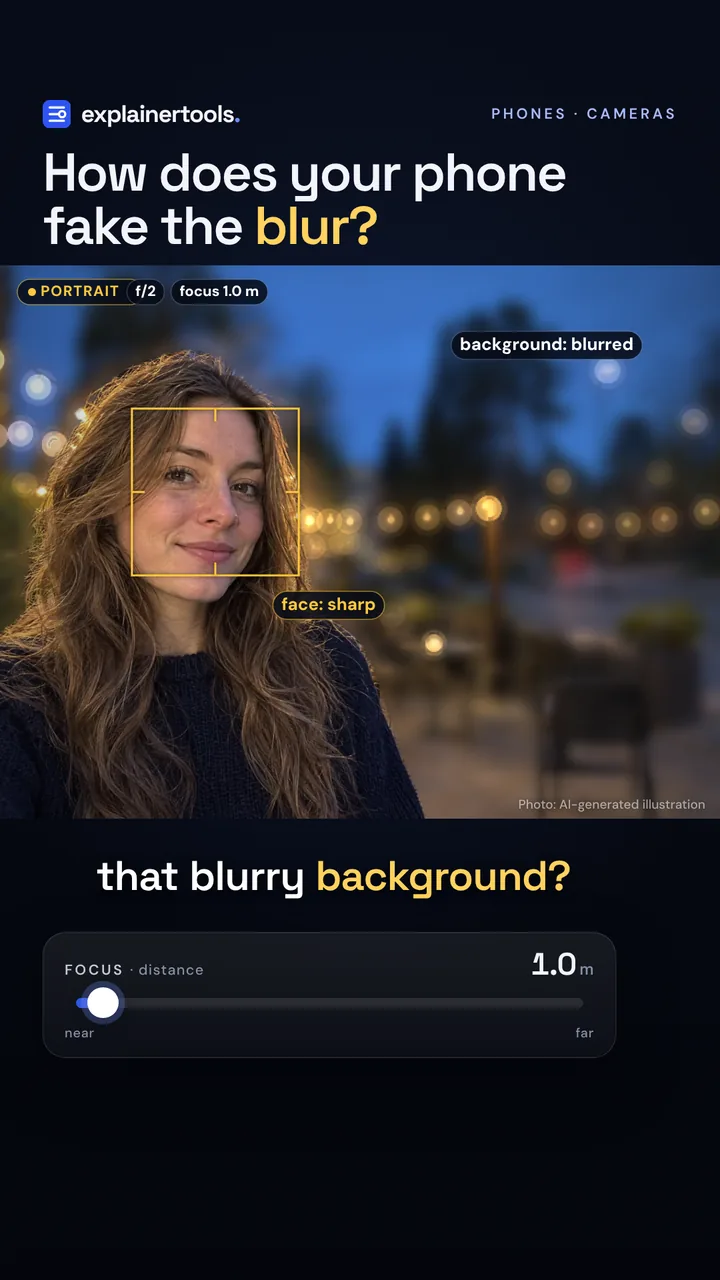
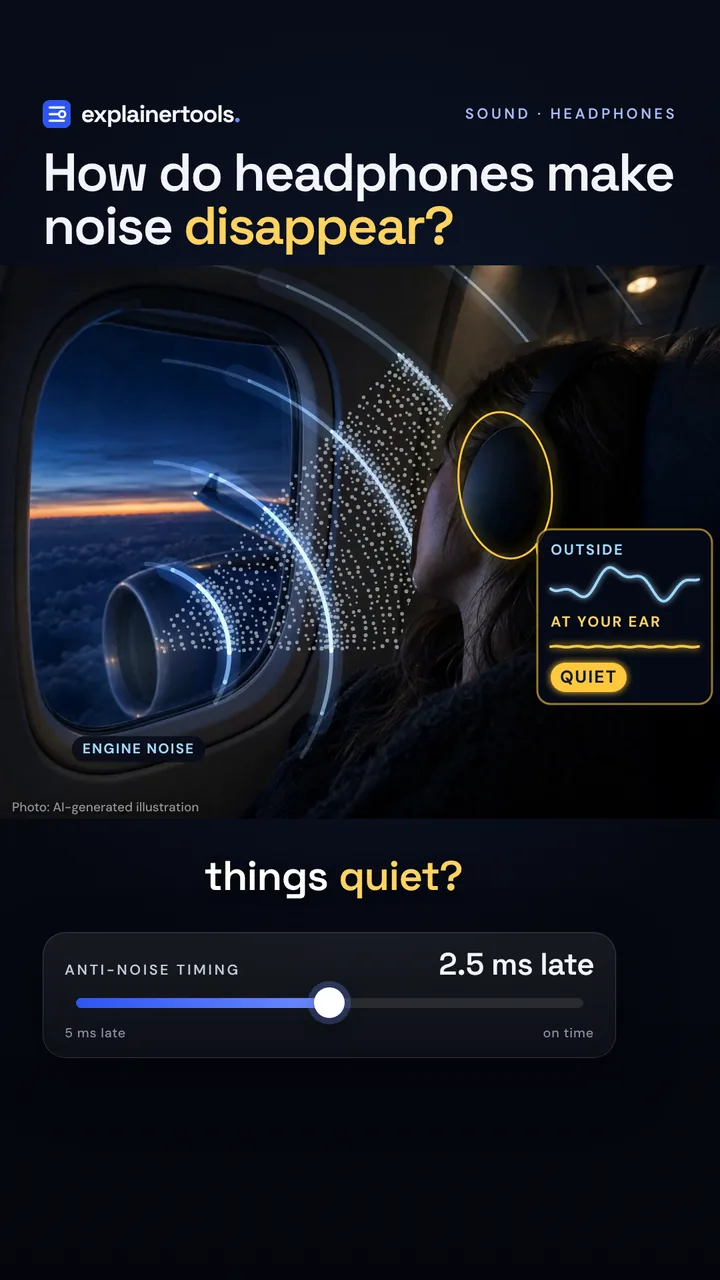
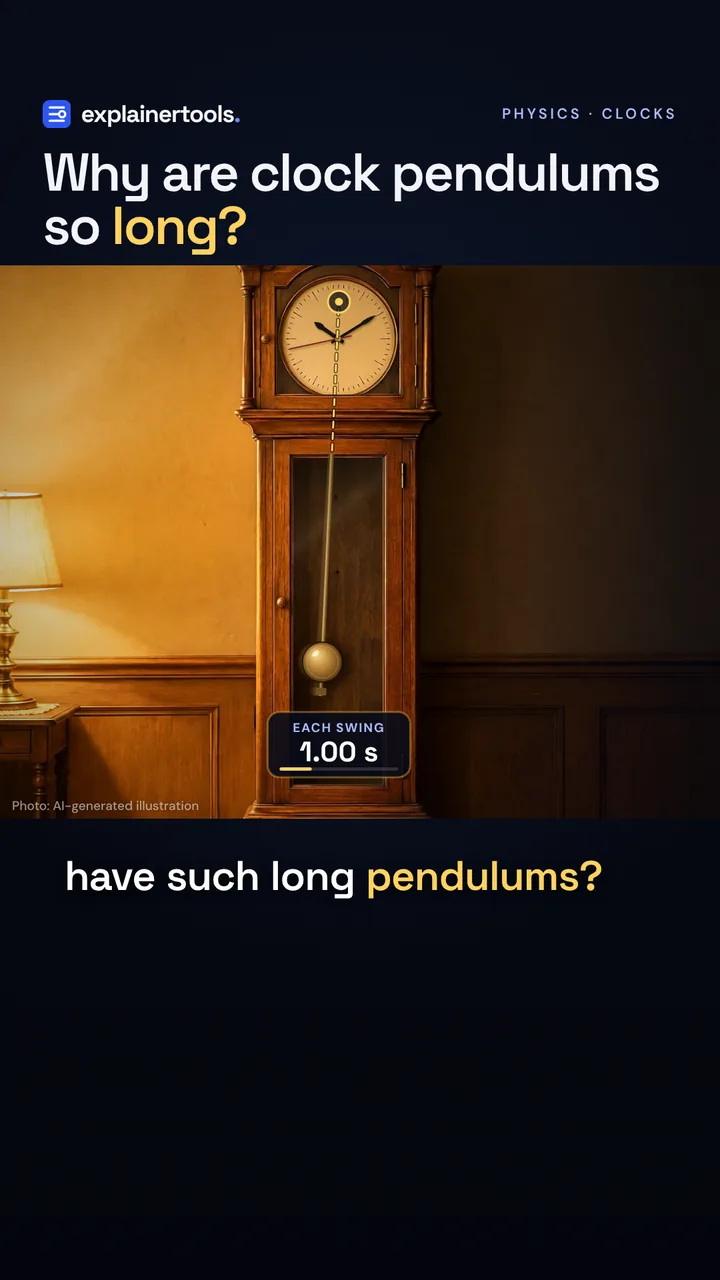
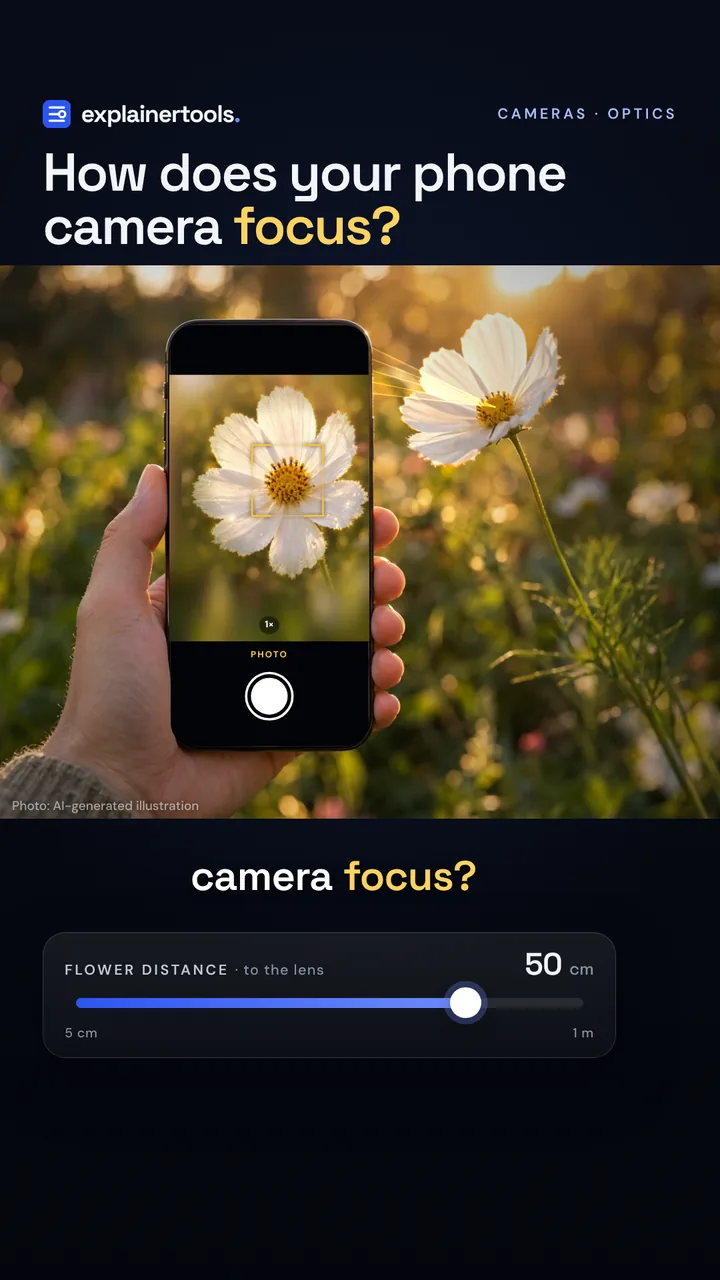
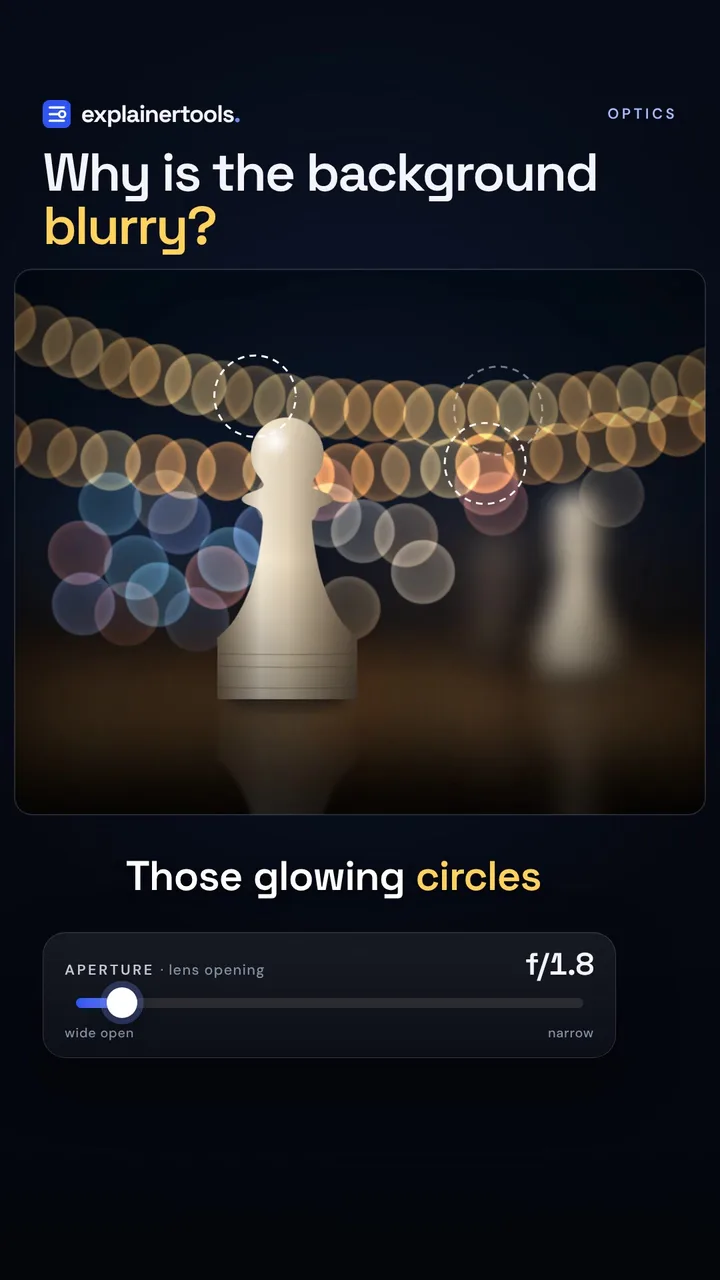
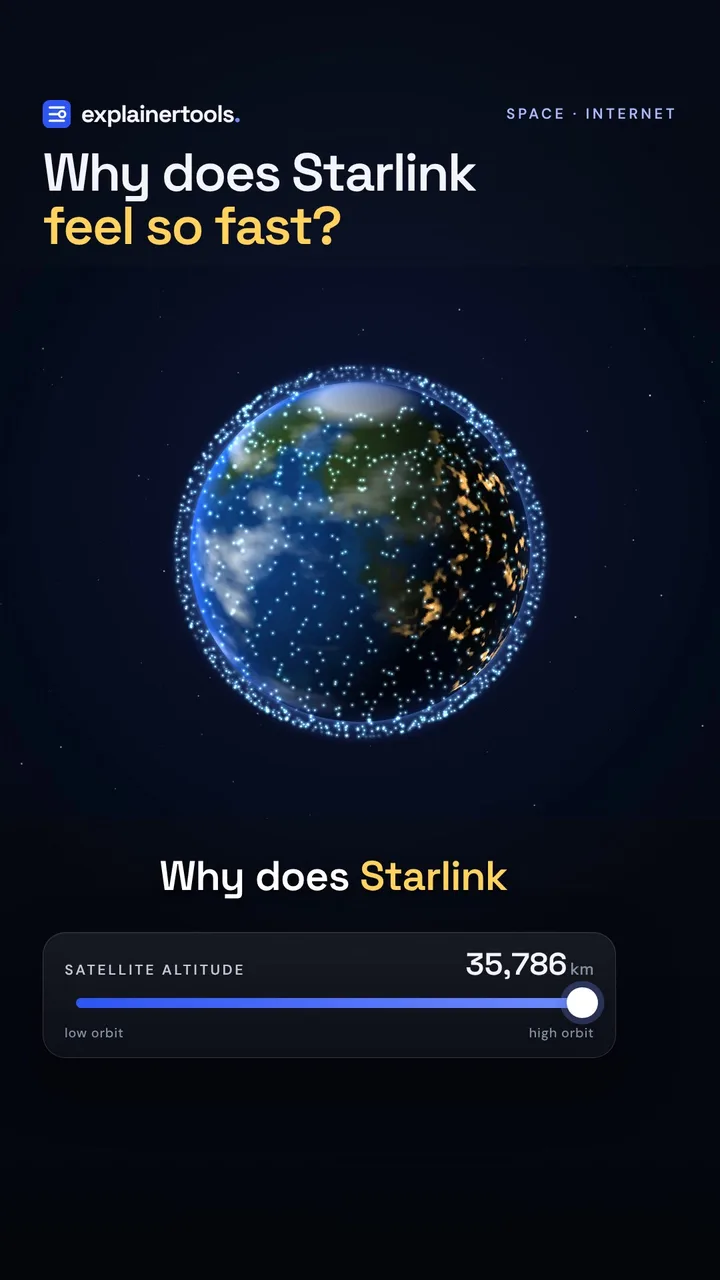
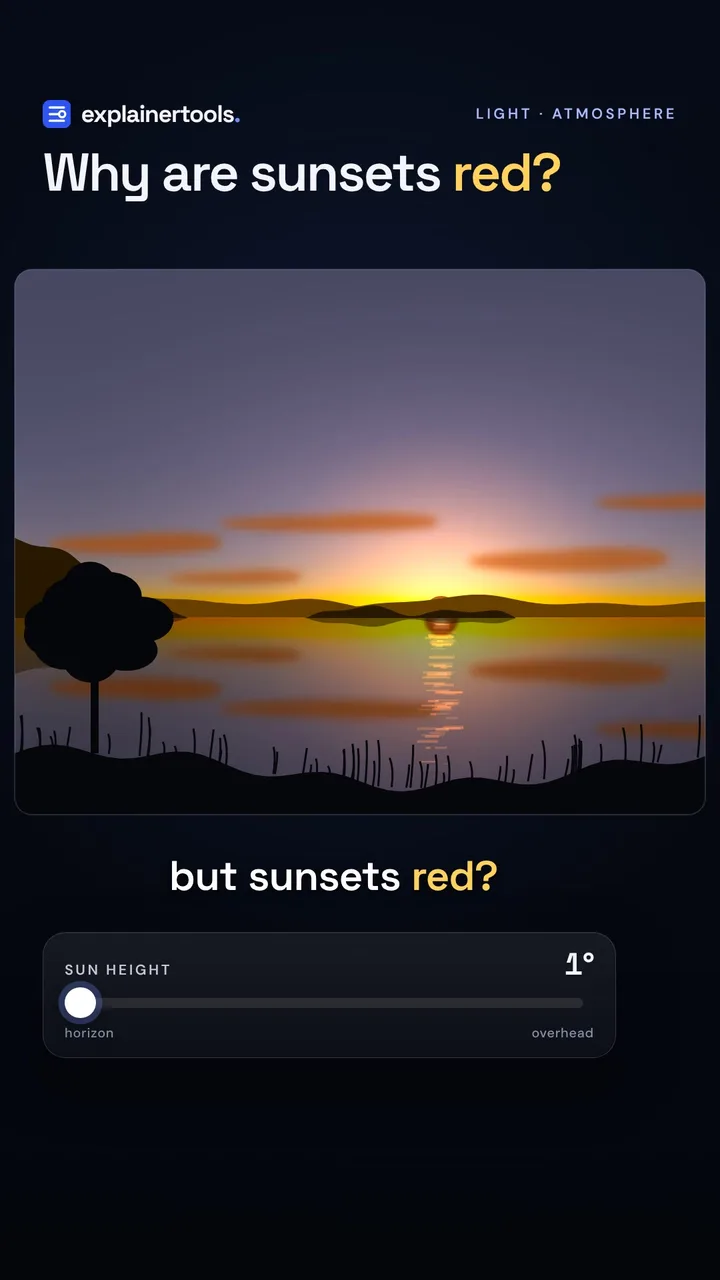
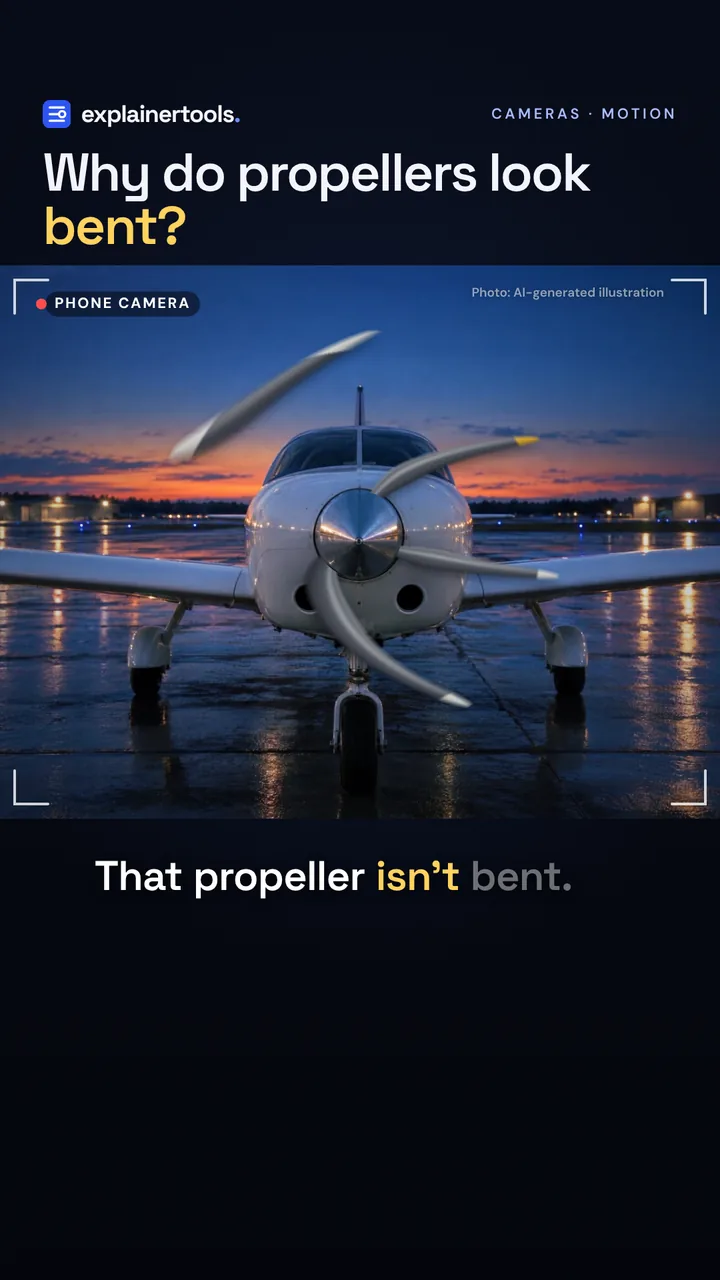
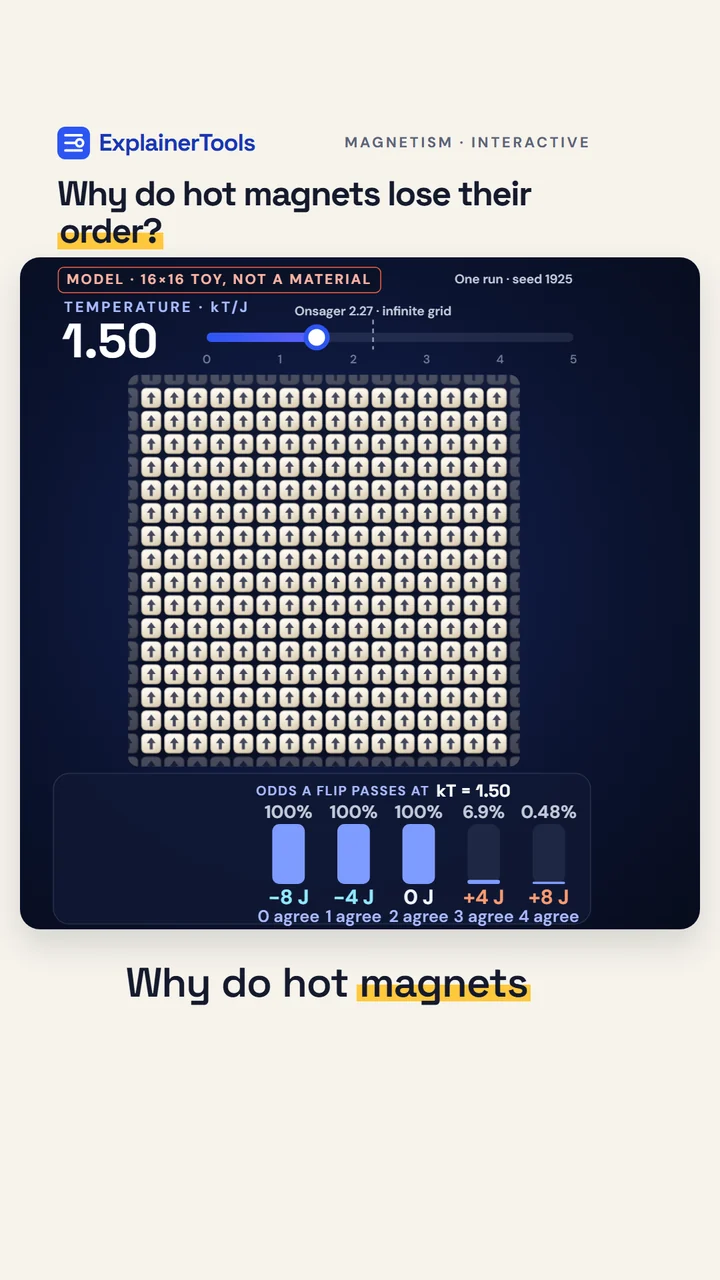
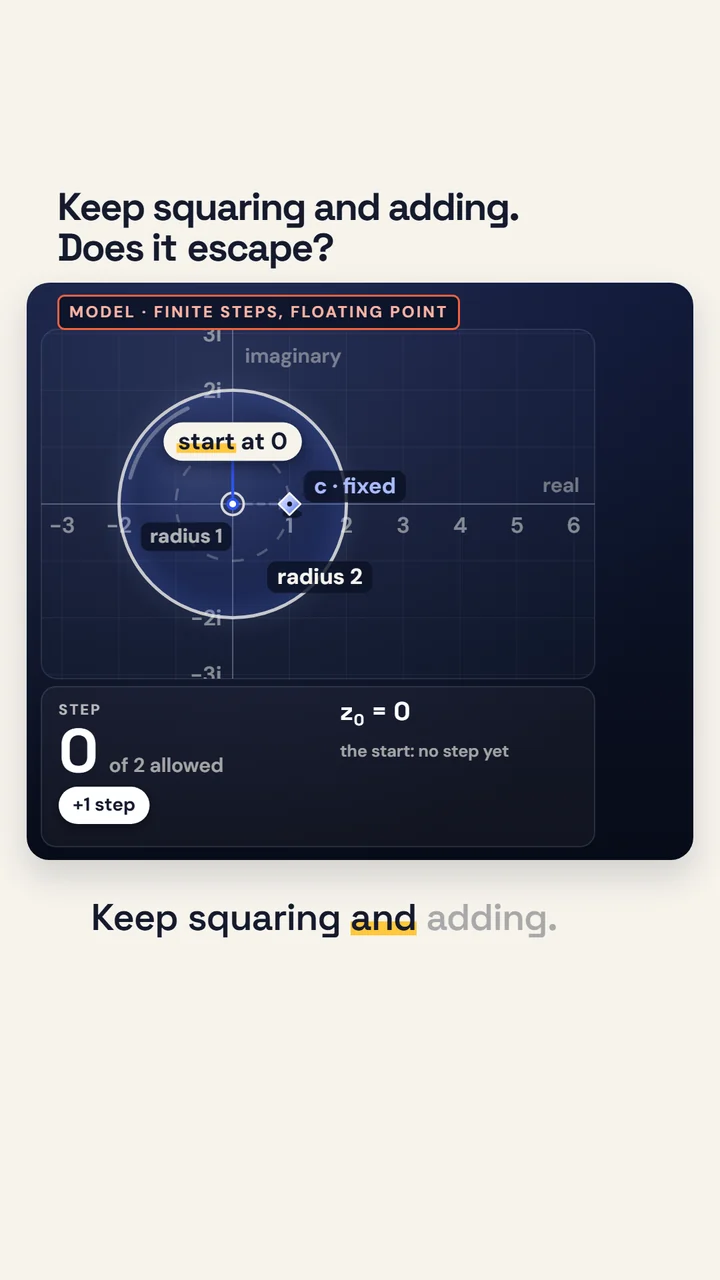
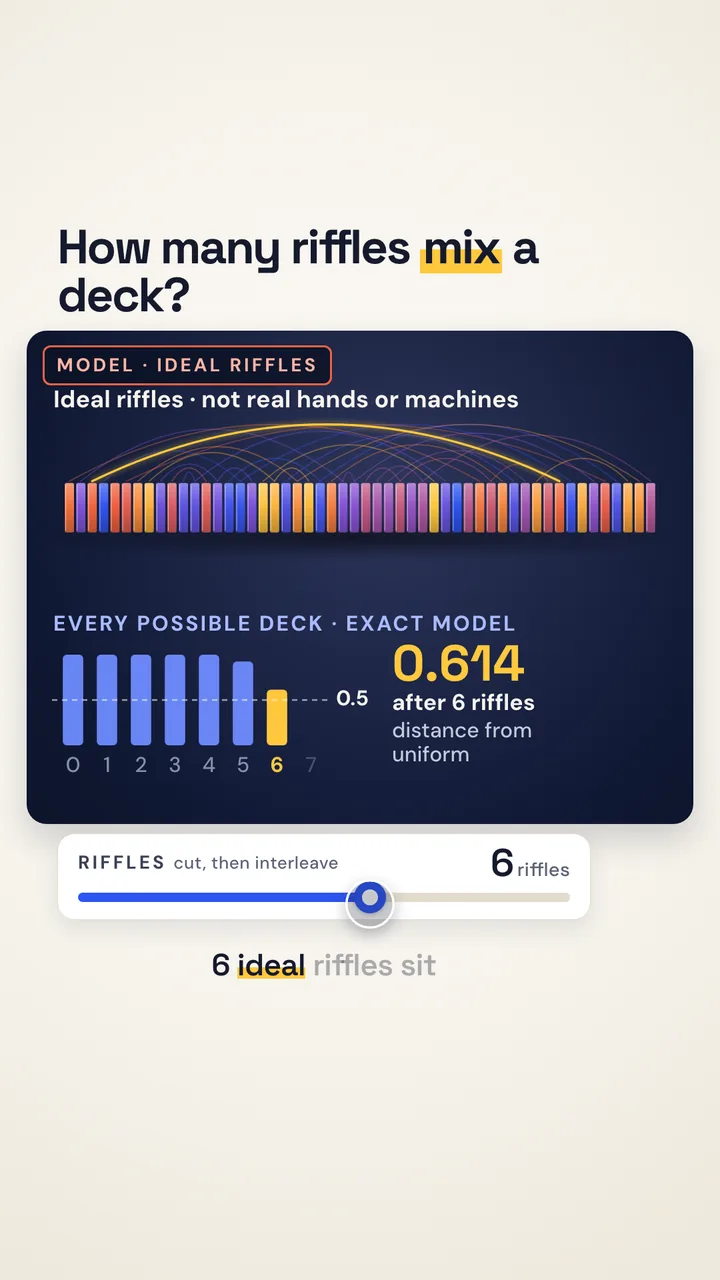
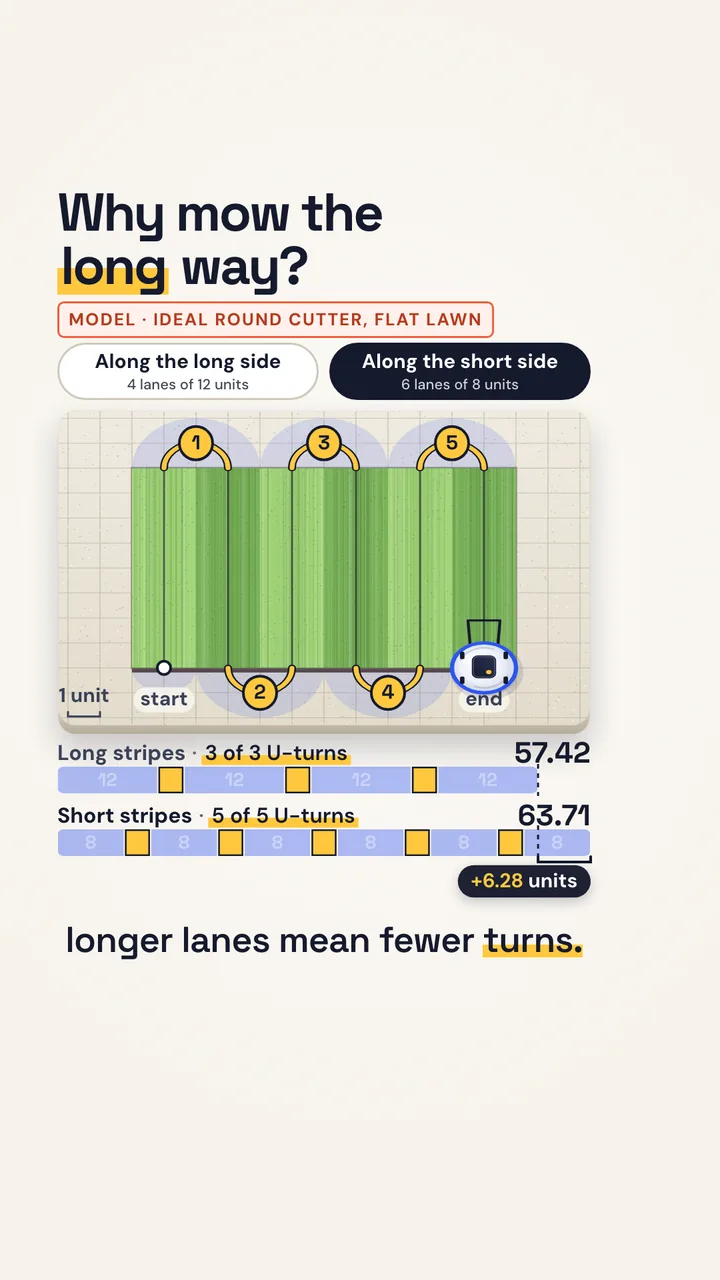
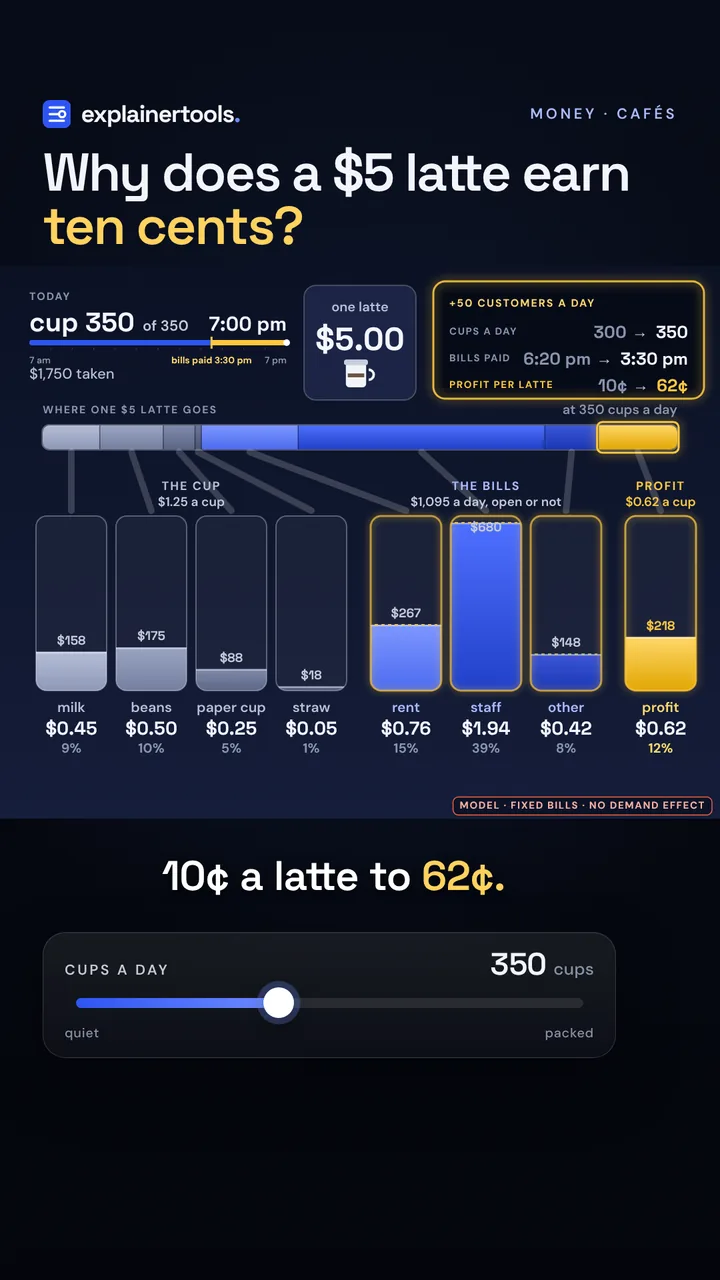
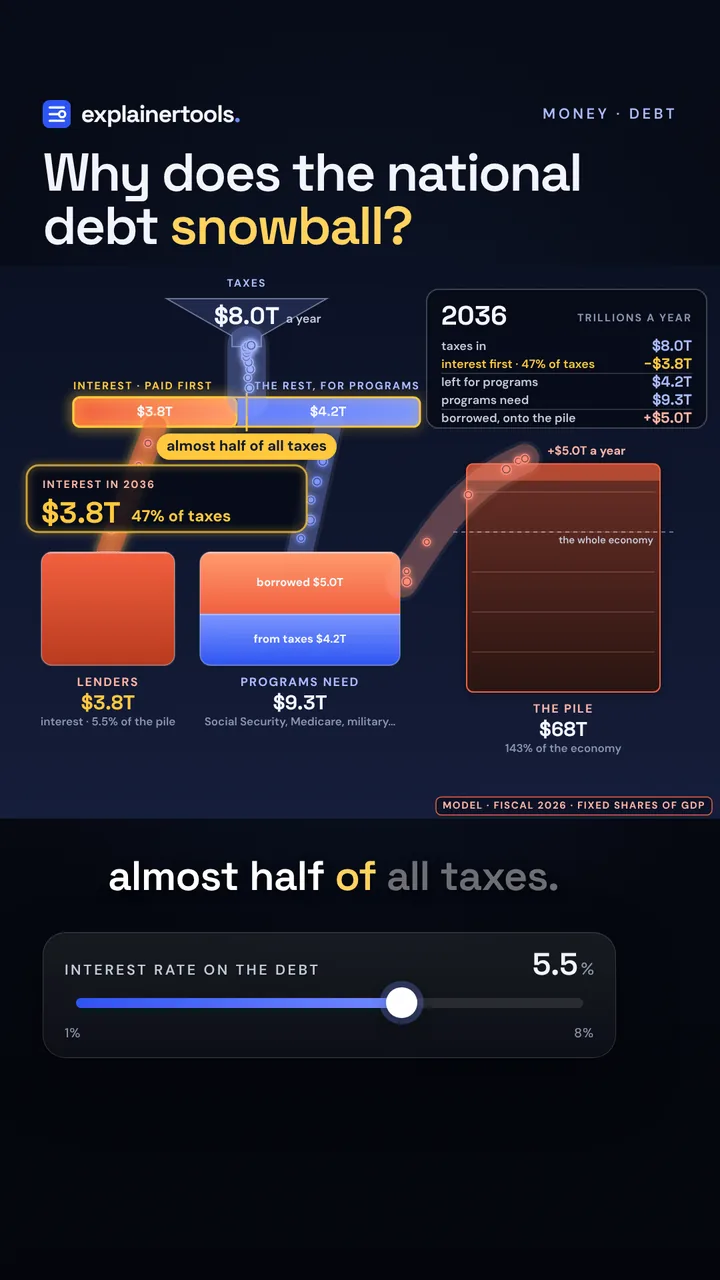
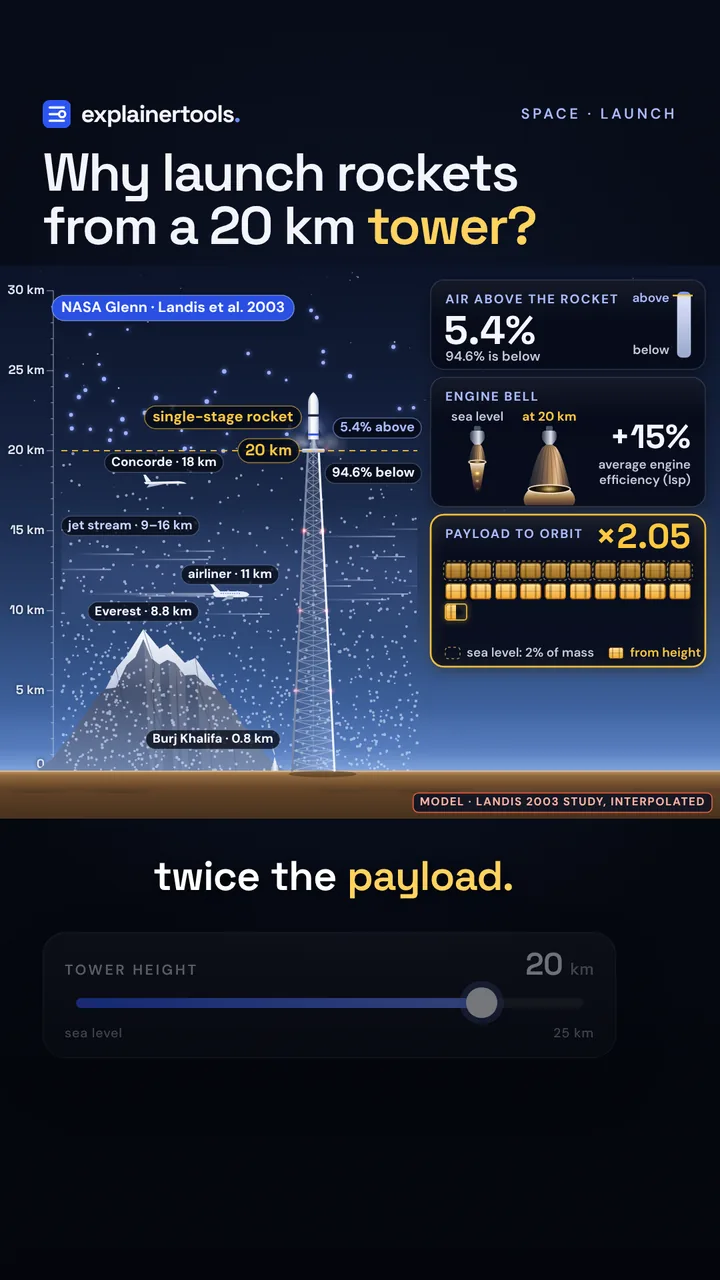
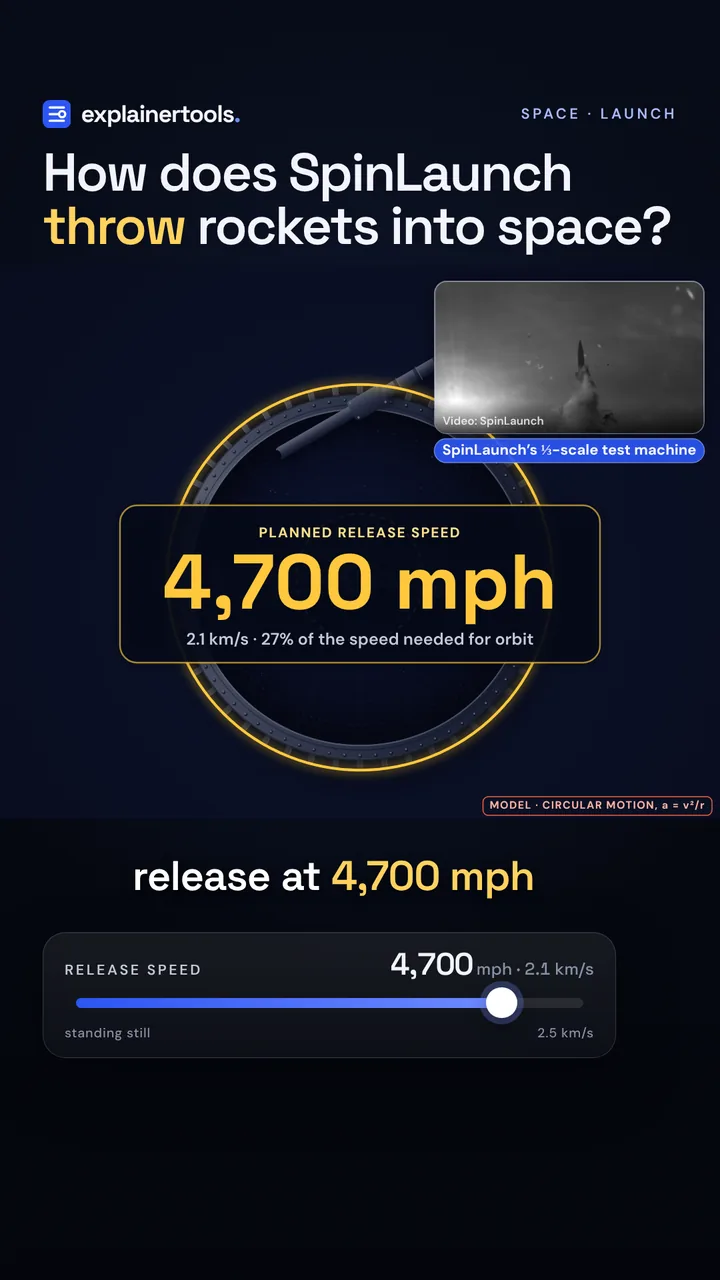
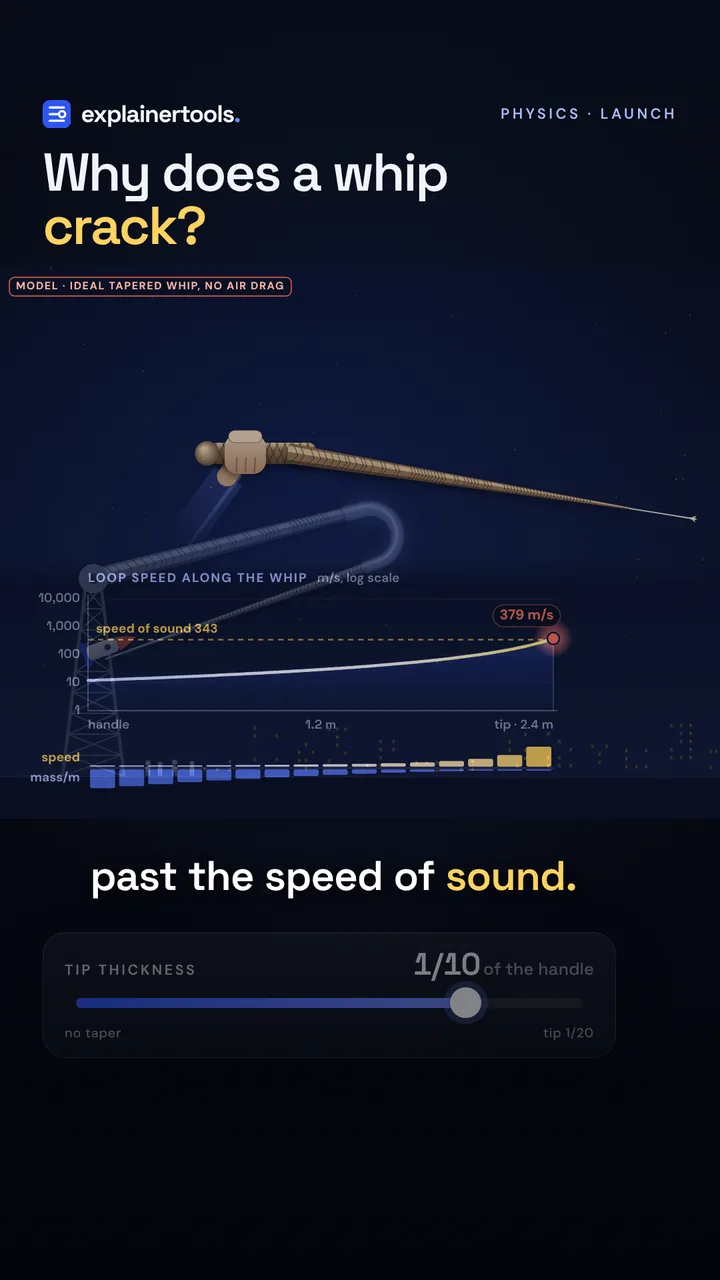
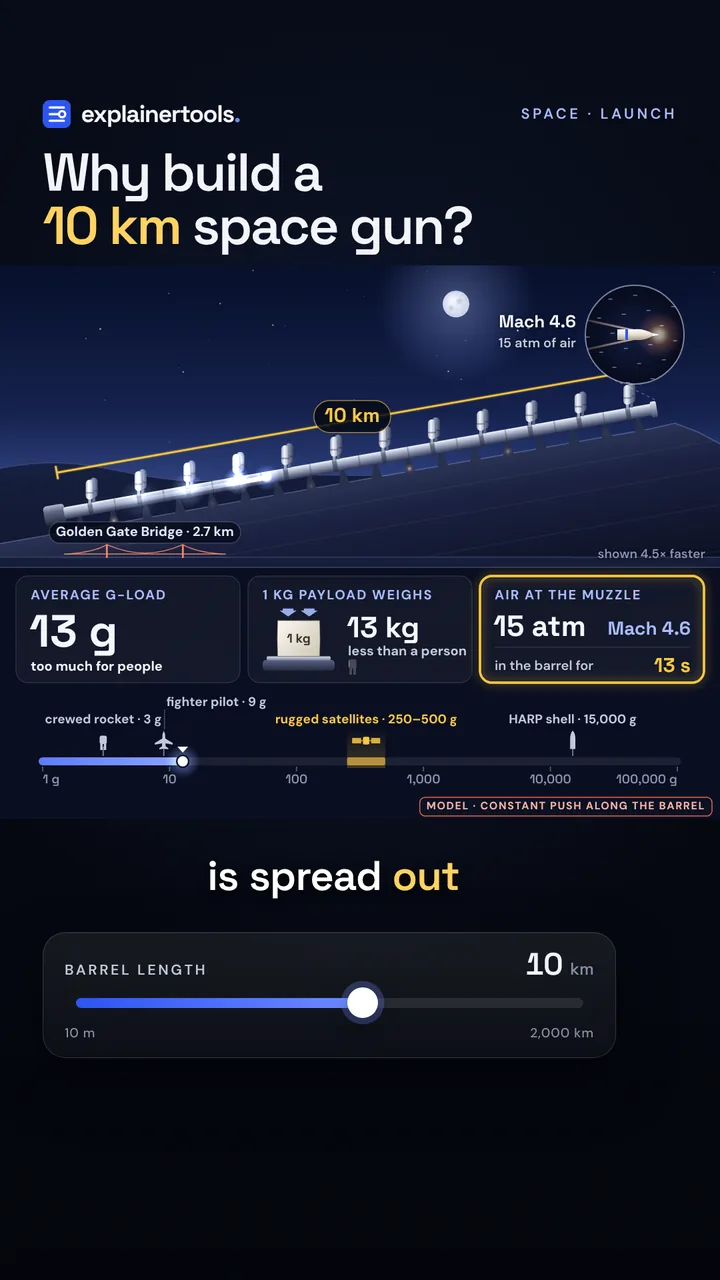
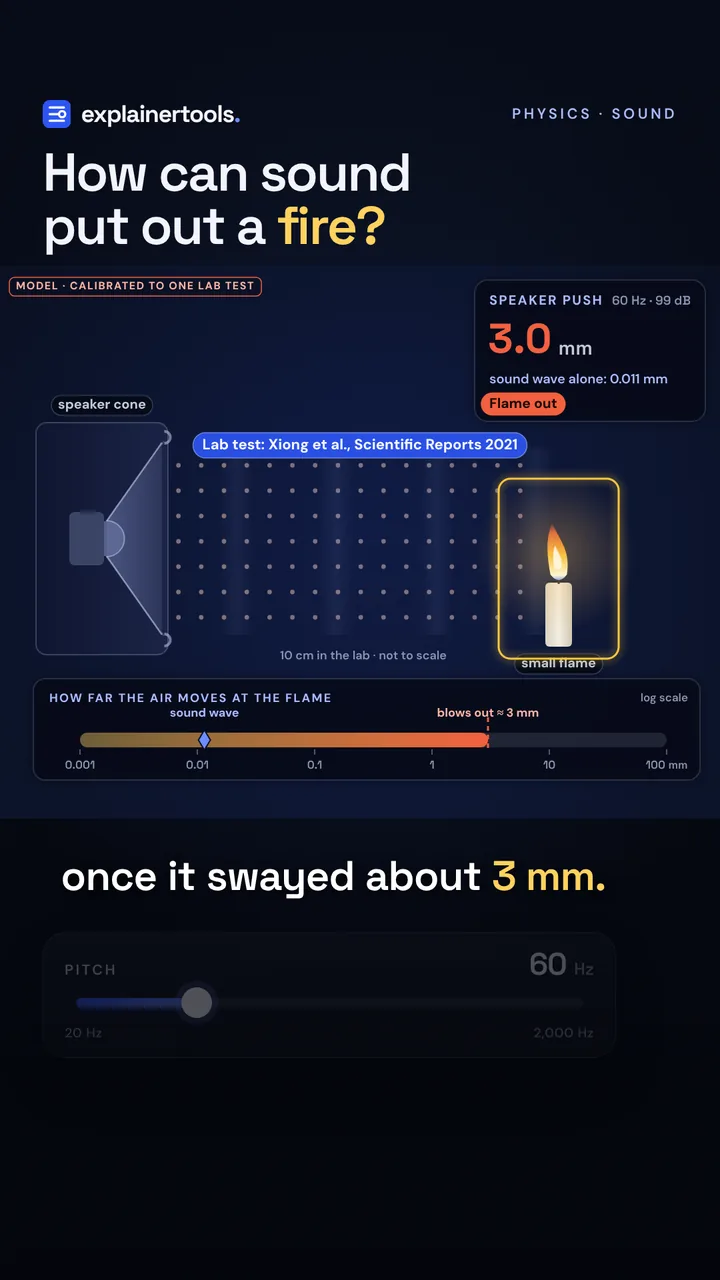
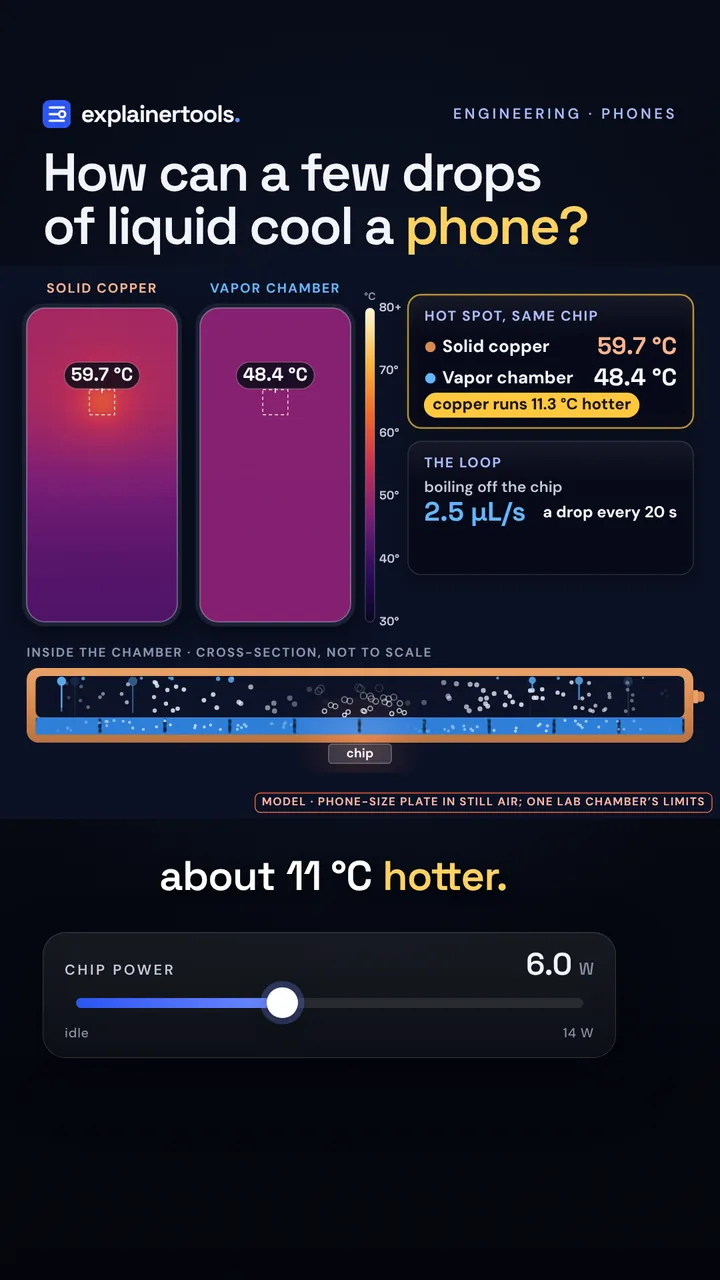
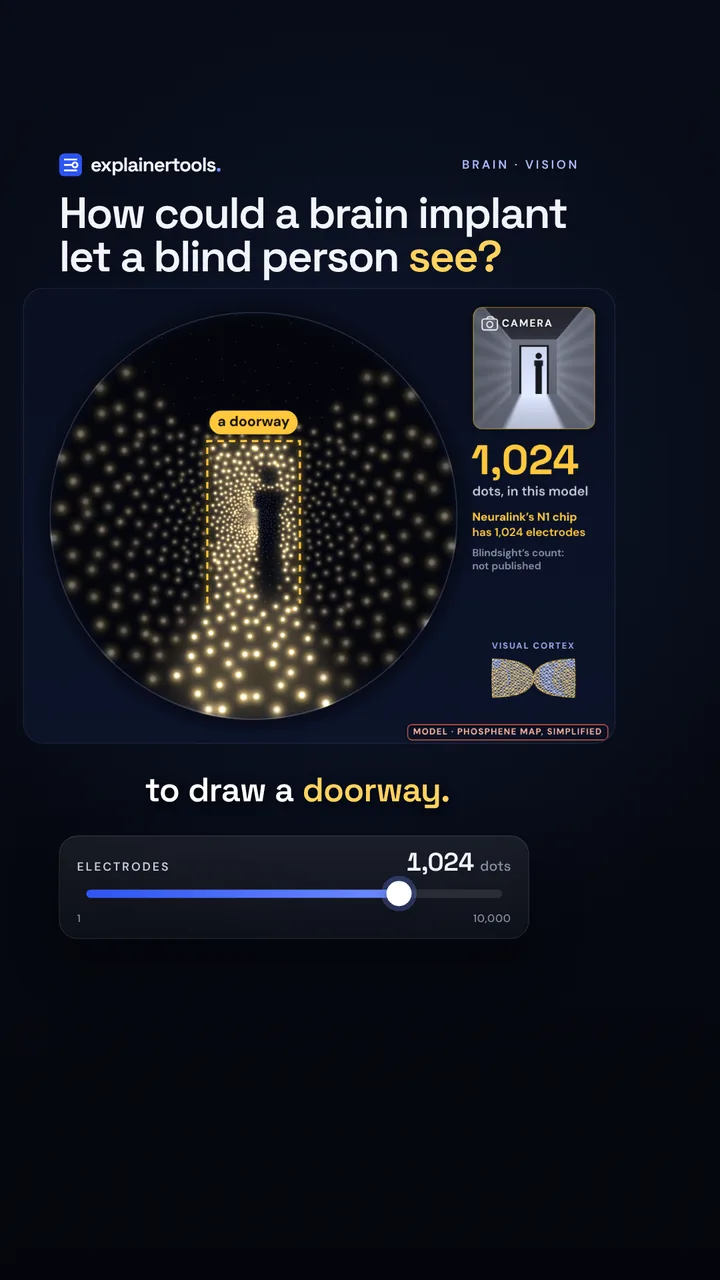
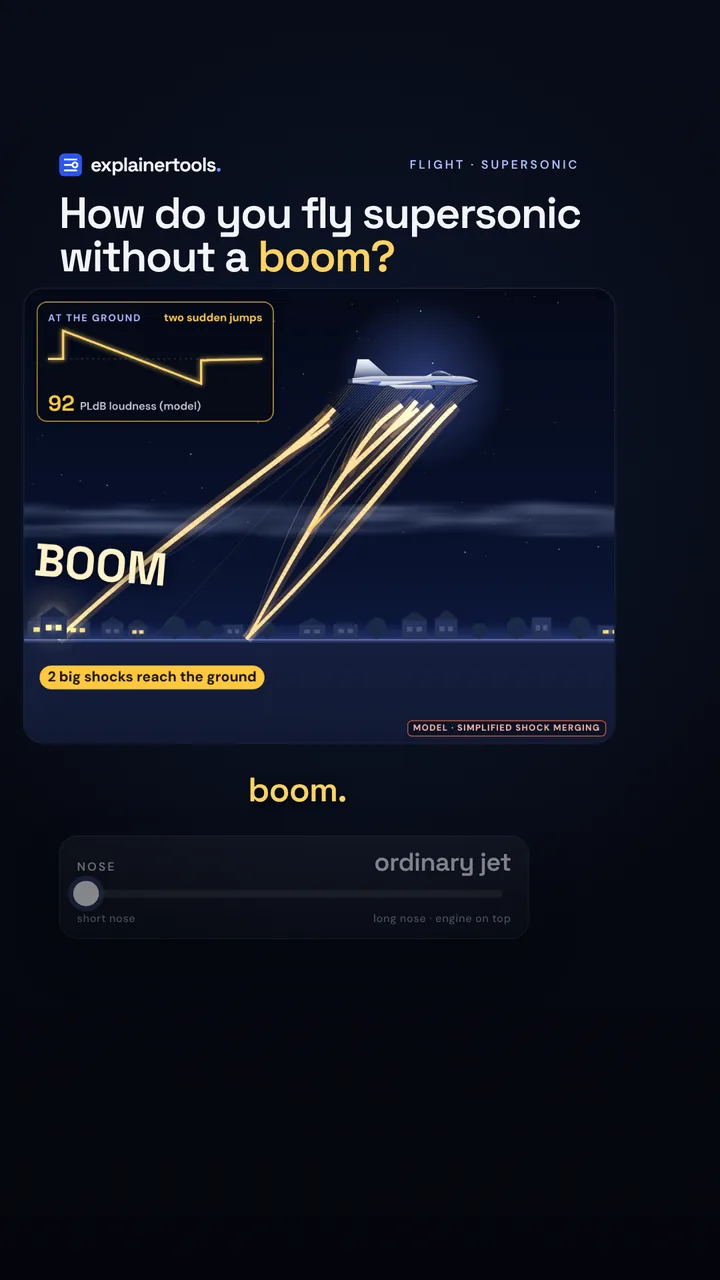
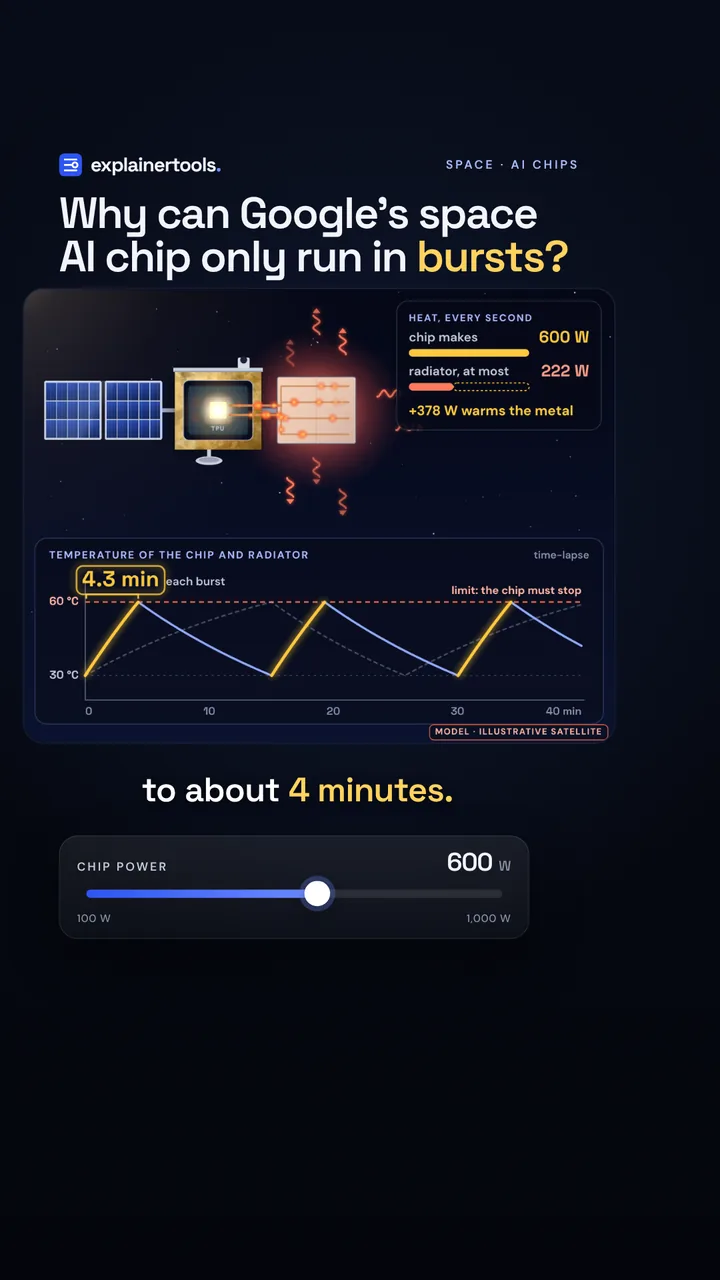
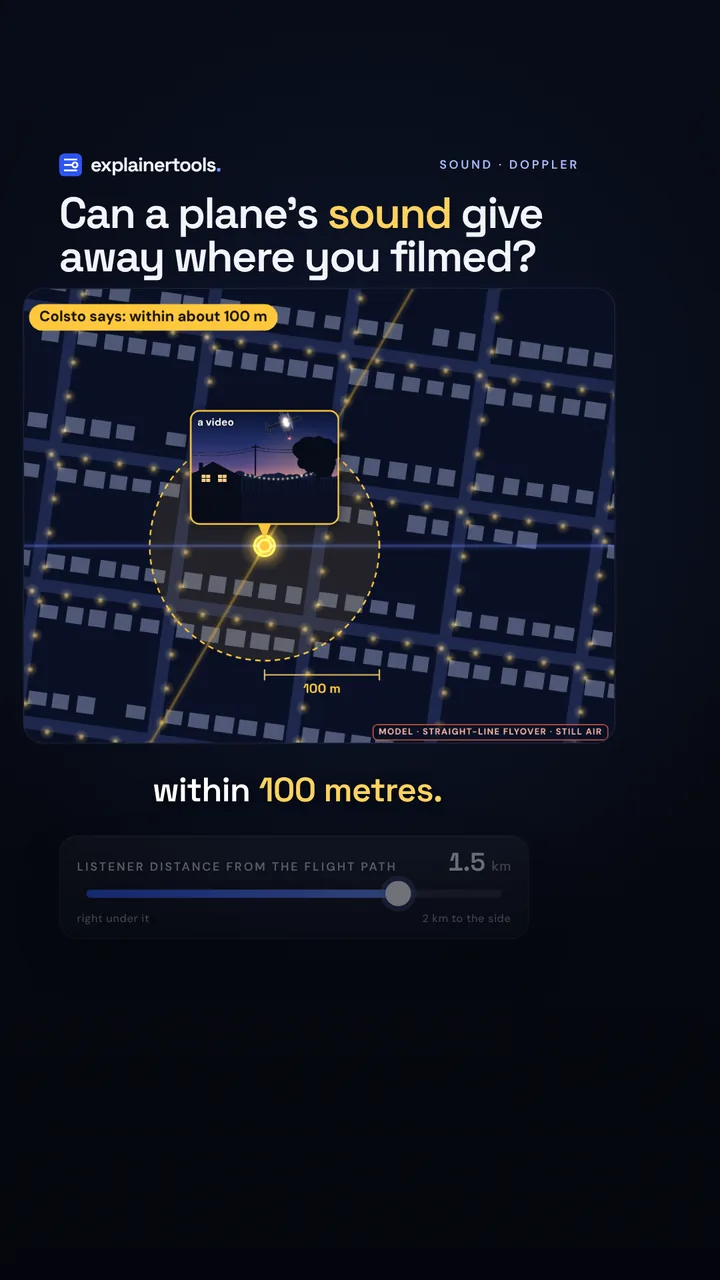
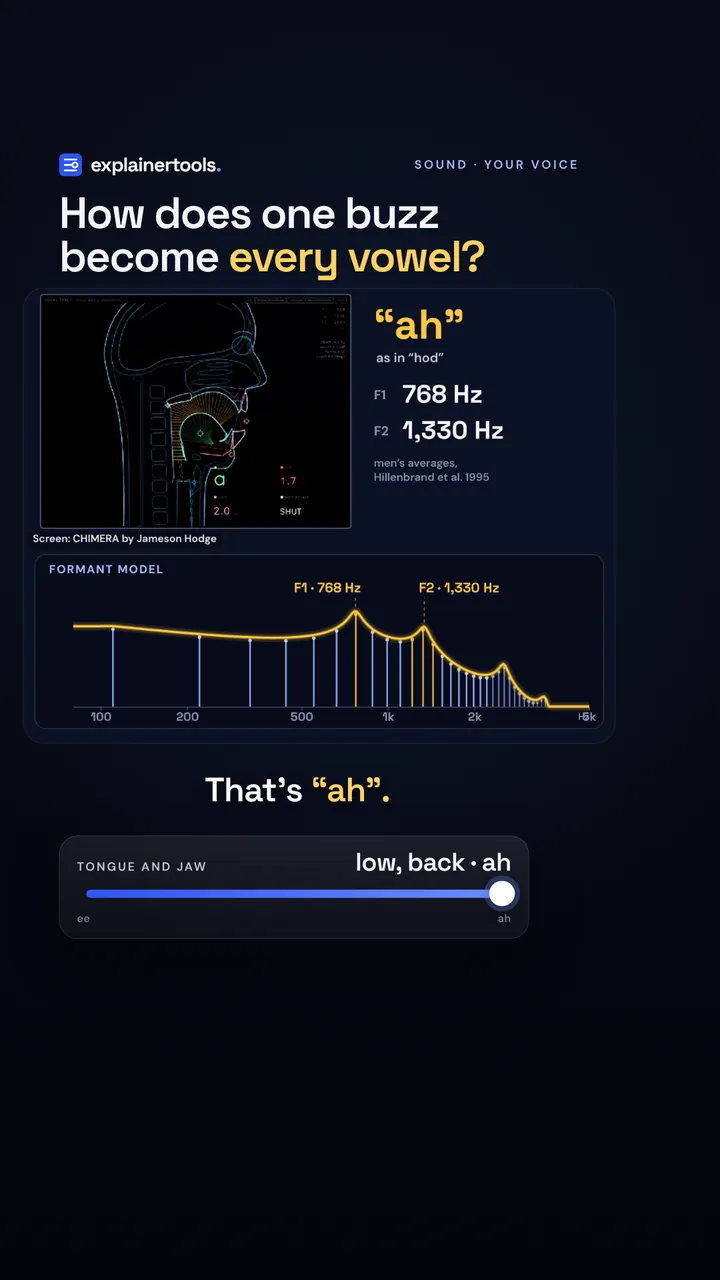
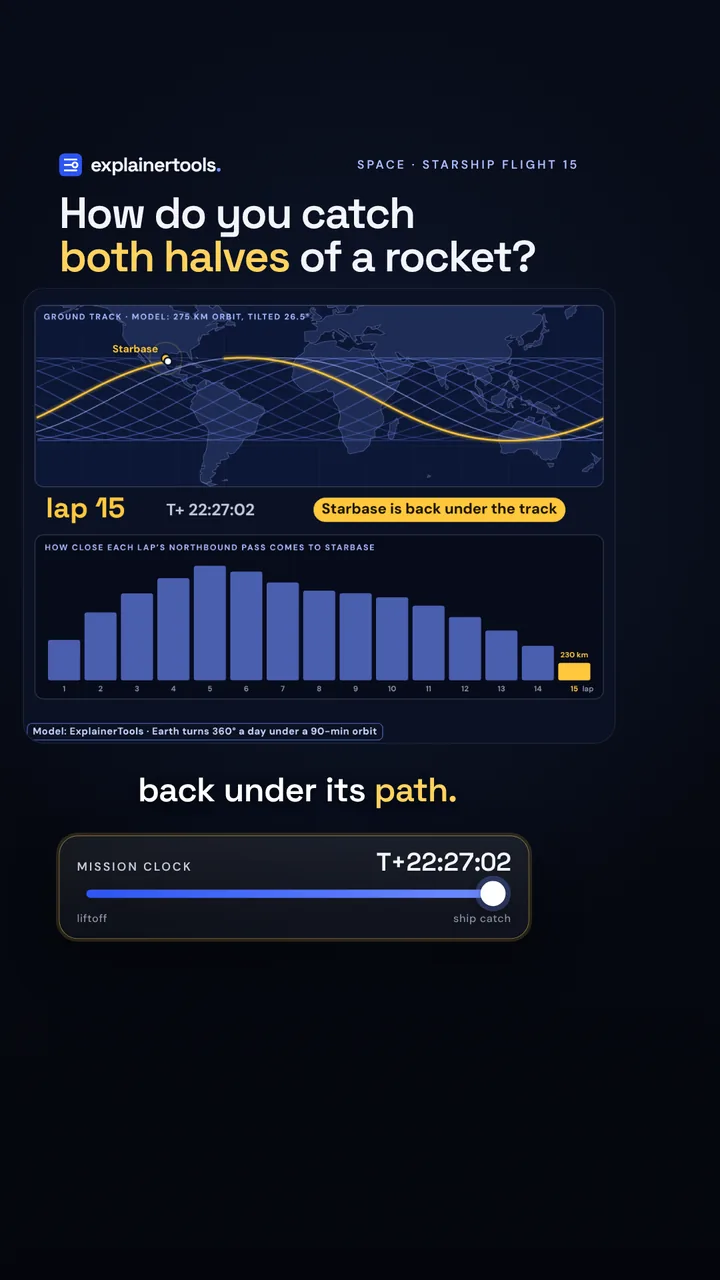
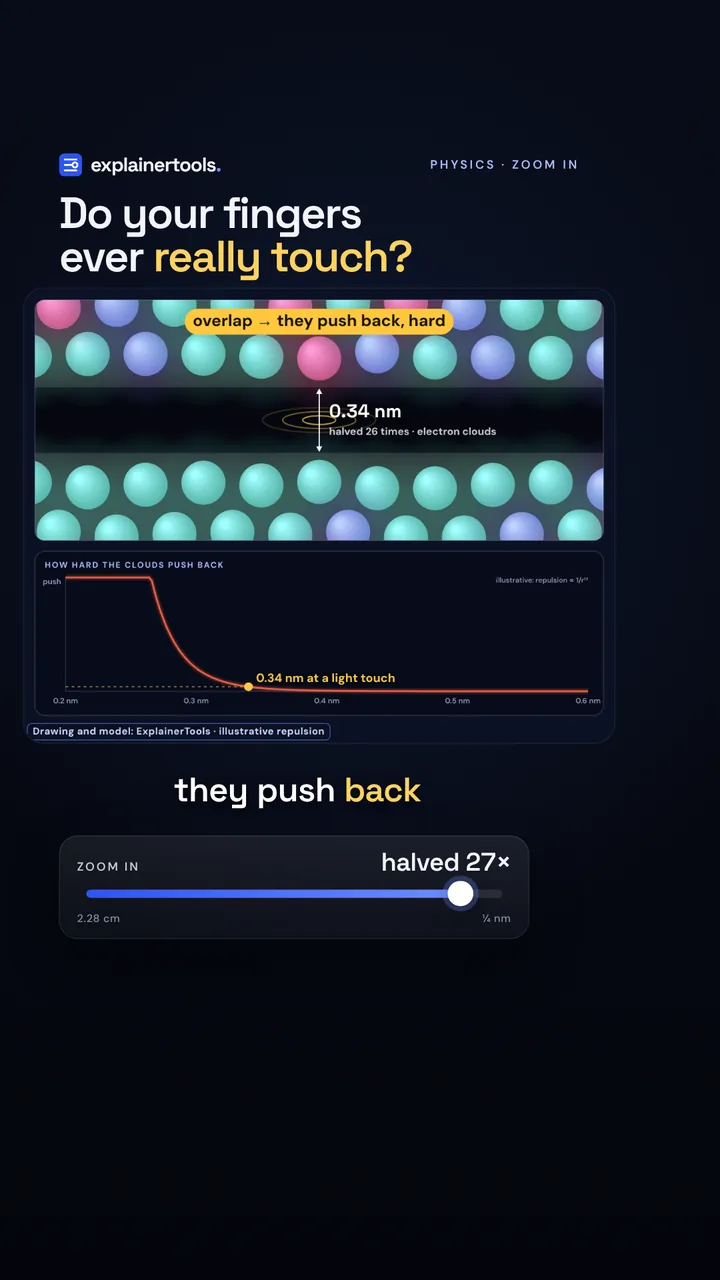
One question, one thing to change, and one sentence of why. Vertical, narrated and captioned.














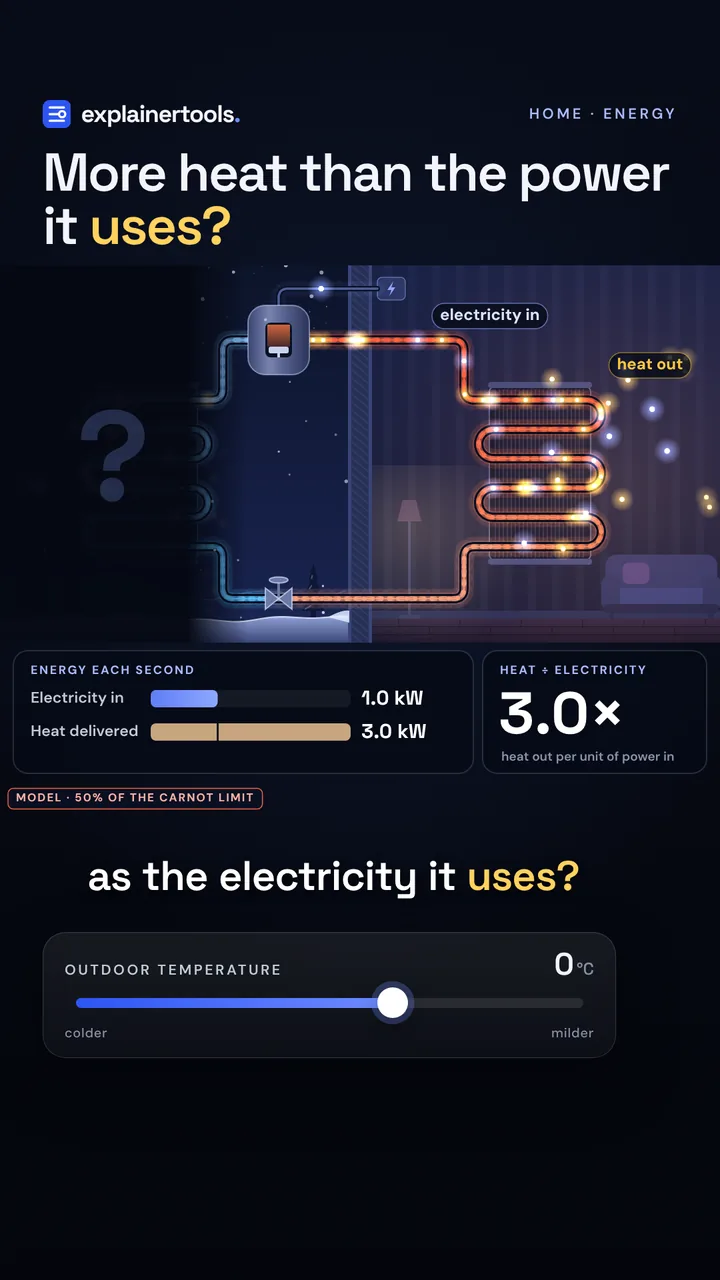
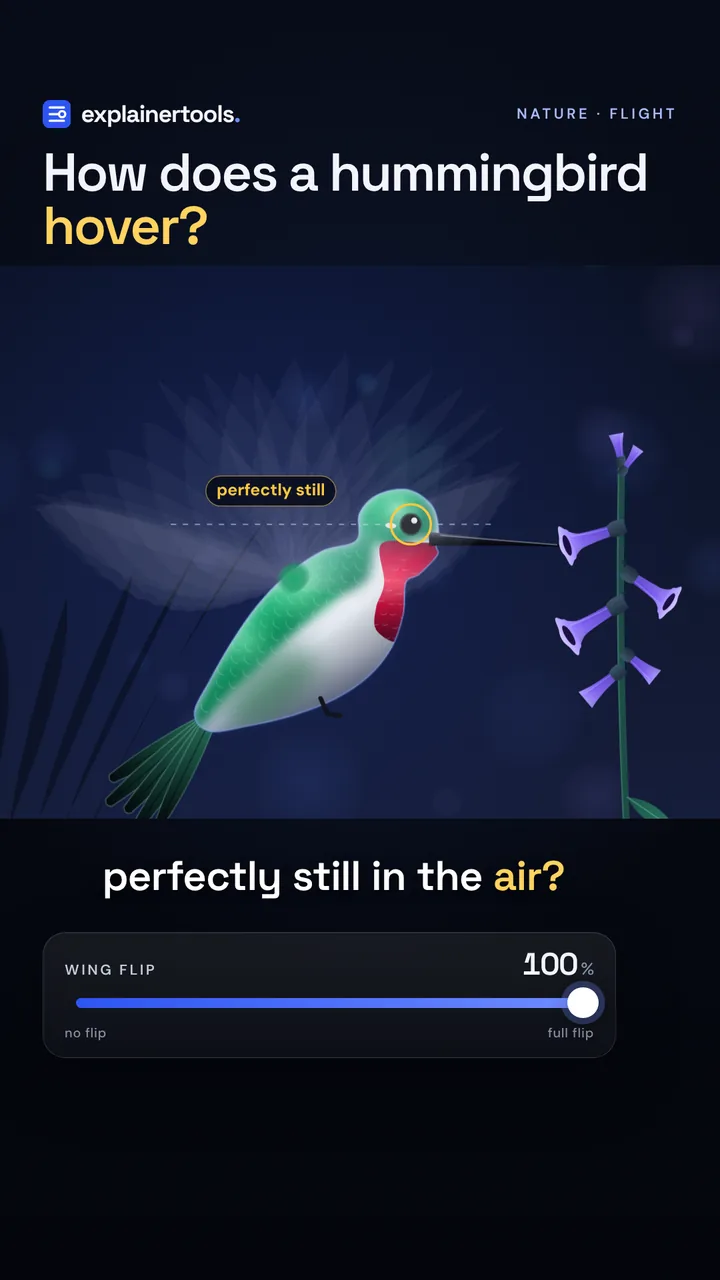
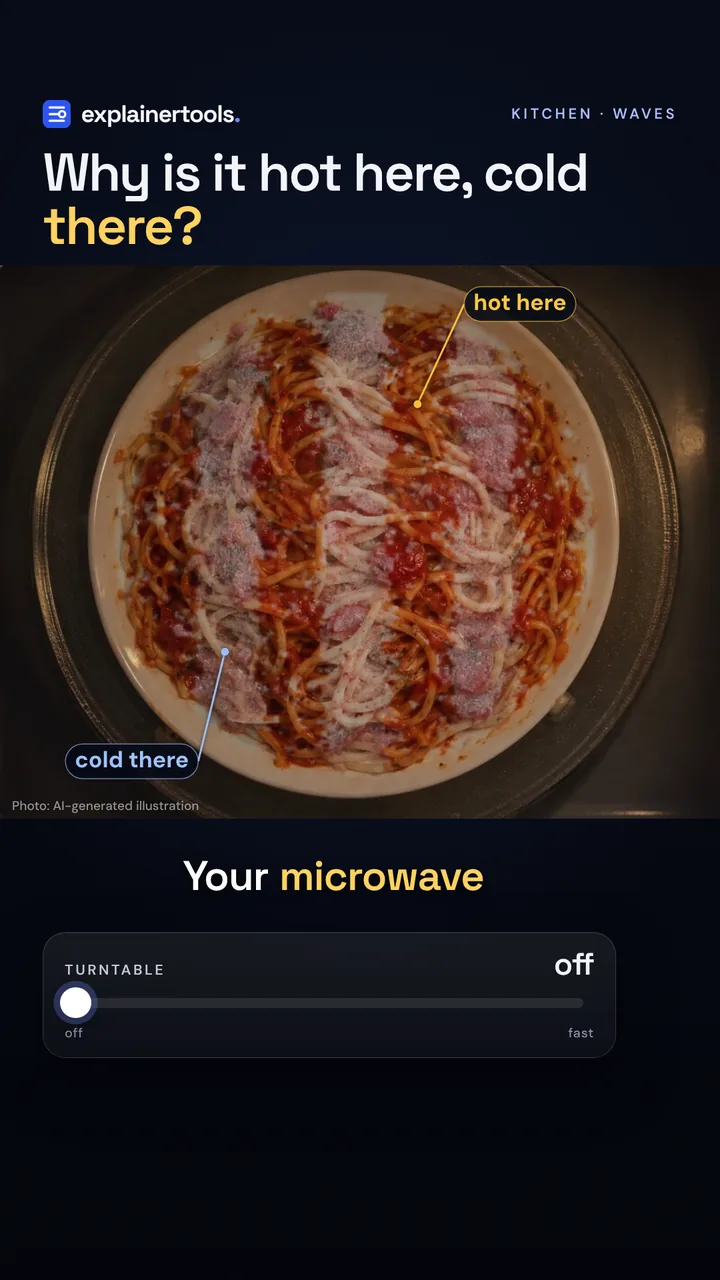
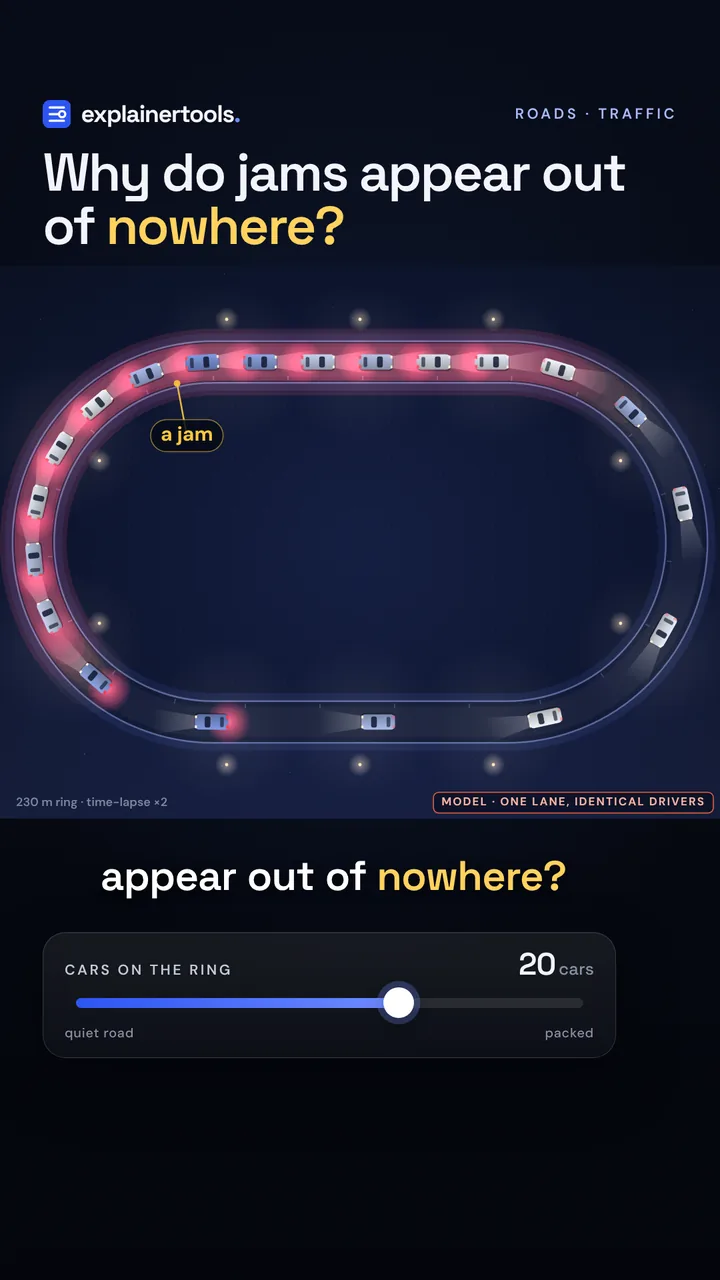


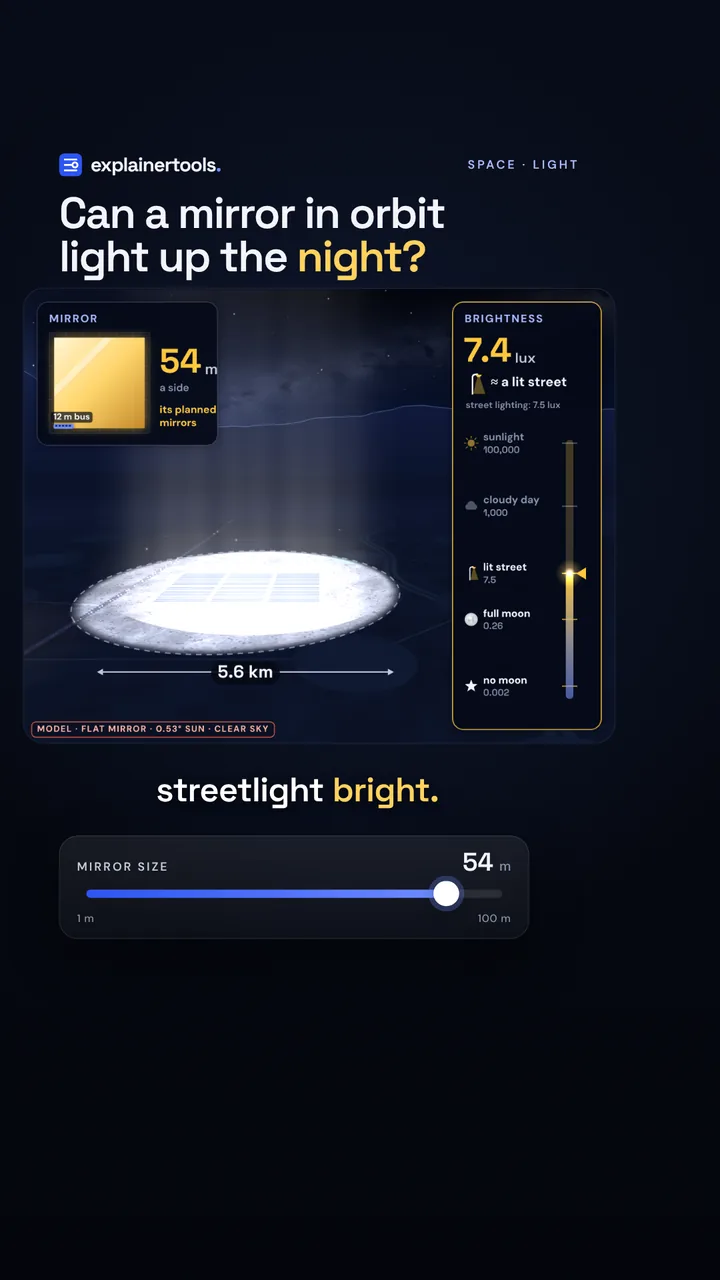
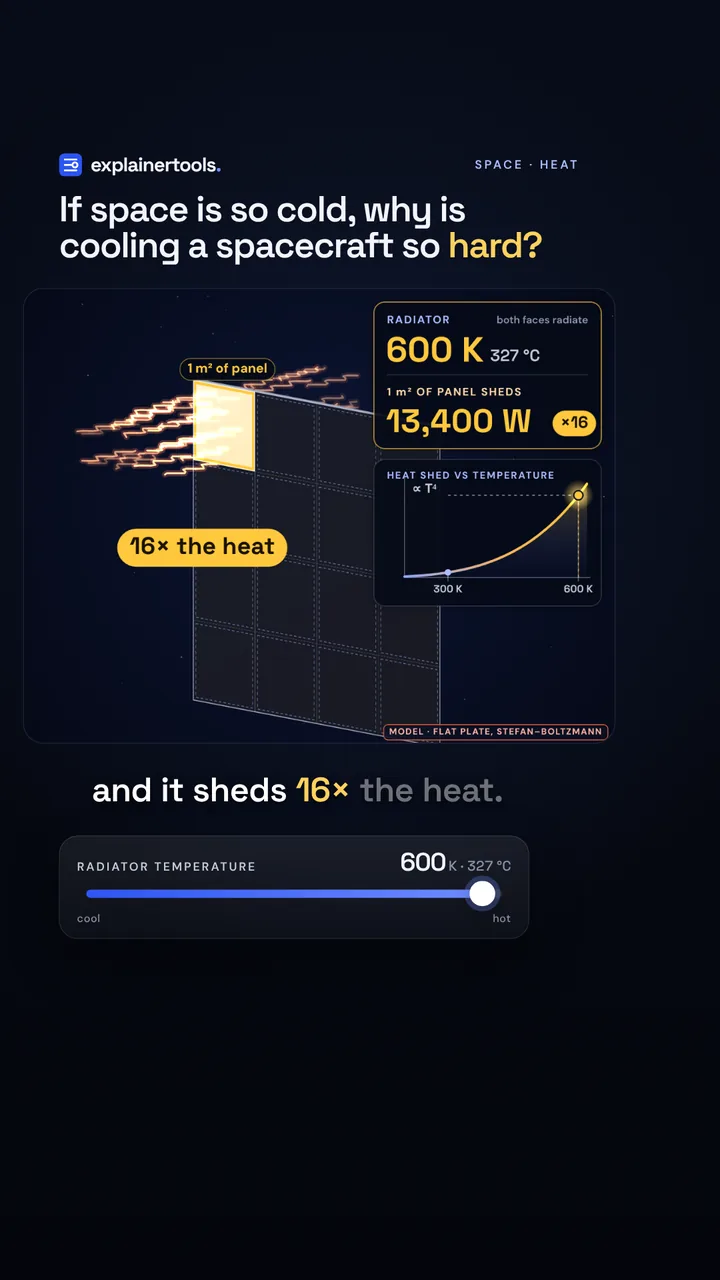
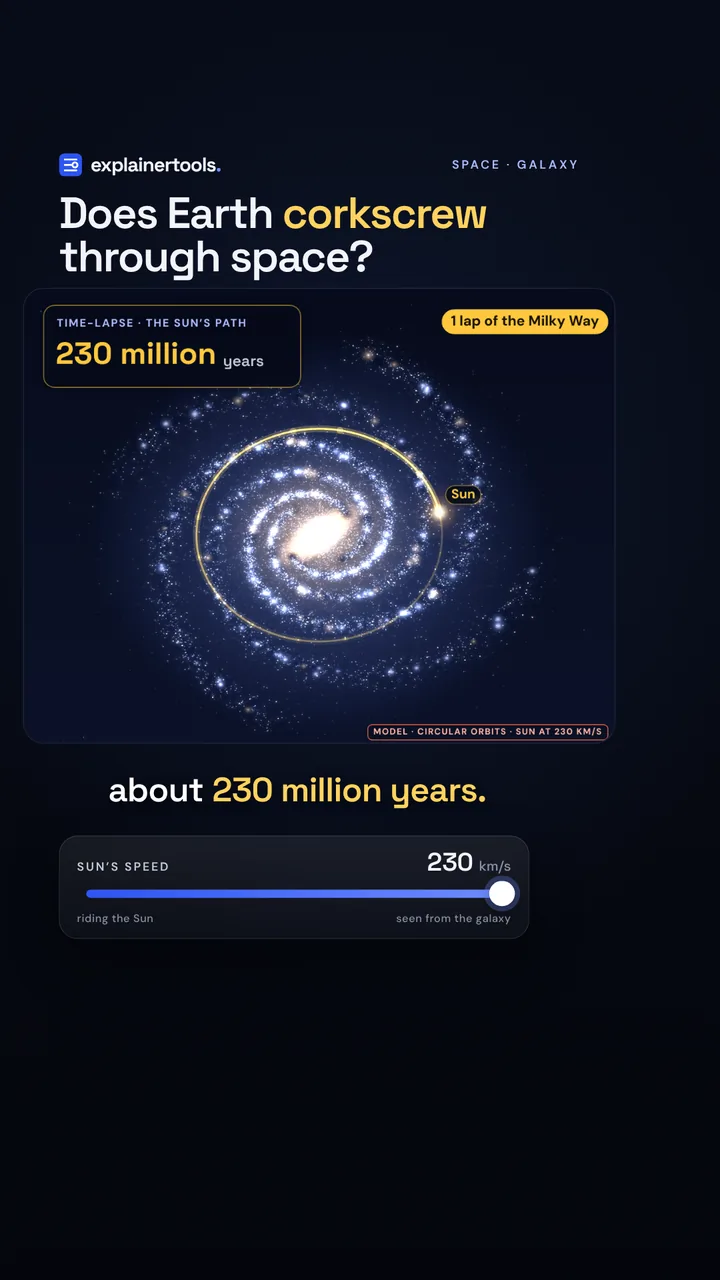
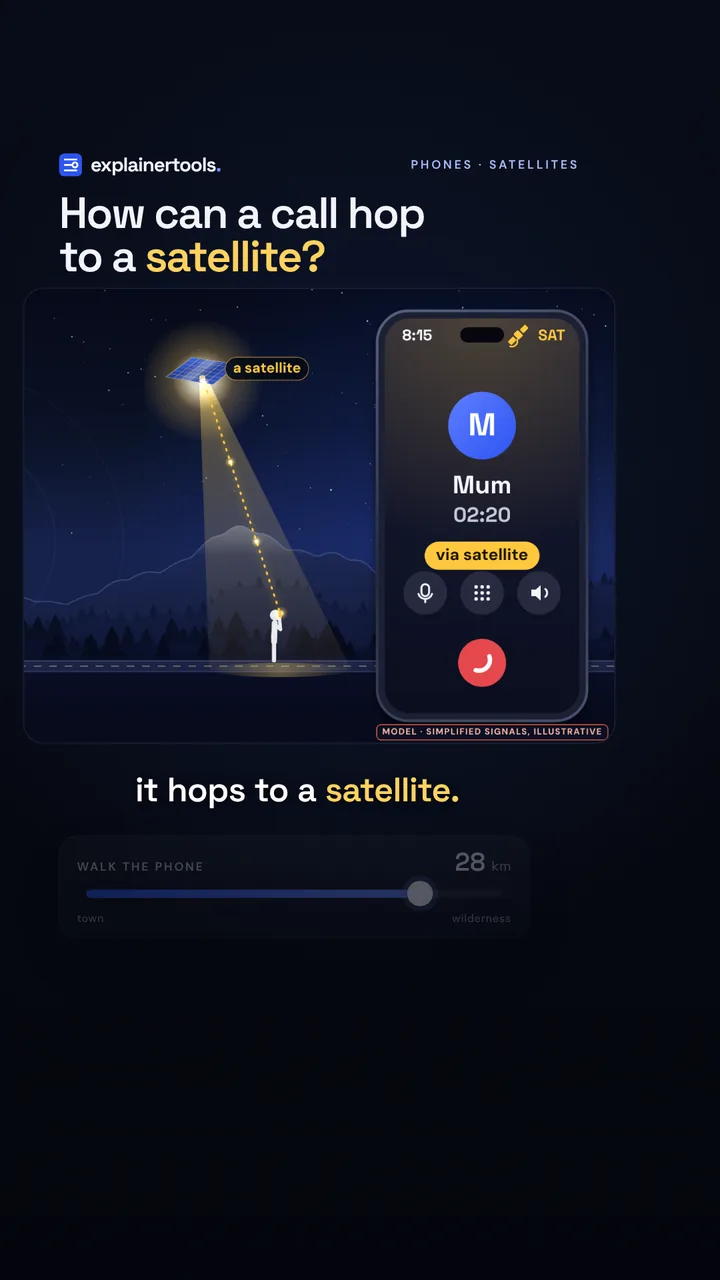
Creator profiles
Meet the makers
Short films about the people behind the web’s best interactive explainers: what they build and the style that makes it theirs.

Bartosz Ciechanowski
Meet Bartosz Ciechanowski: a watch you can take apart

Nicky Case
Meet Nicky Case: explanations you play

Ryan Sael
Meet Ryan Sael: 70+ interactive 3D explainers since September

Konstantin Saifoulline
Meet Konstantin Saifoulline: 121 machines you can open up

Amit Patel · Red Blob Games
Meet Amit Patel of Red Blob Games: algorithms you can drag

MLU-Explain (Amazon)
Meet MLU-Explain: machine learning in visual essays
Narrated films
Thirteen narrated films
Landscape films of 68 to 76 seconds, with captions. Each one goes deeper than its Short and comes with the same interactive model.
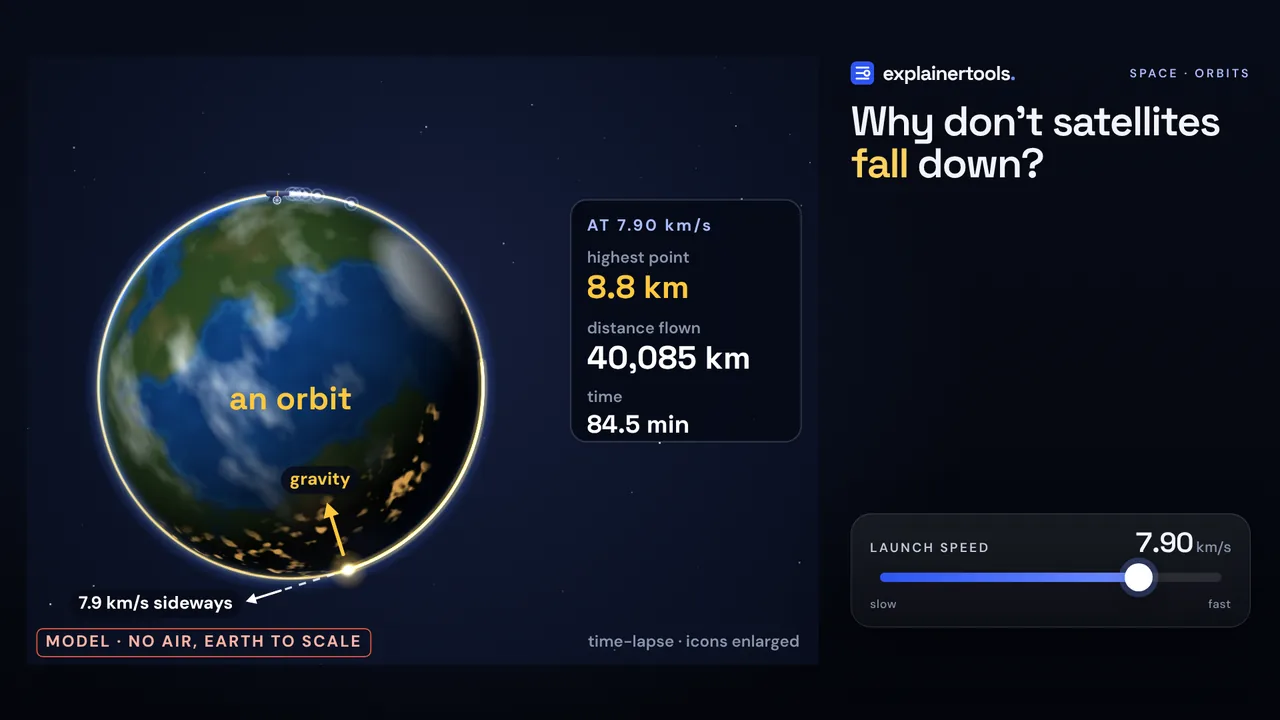
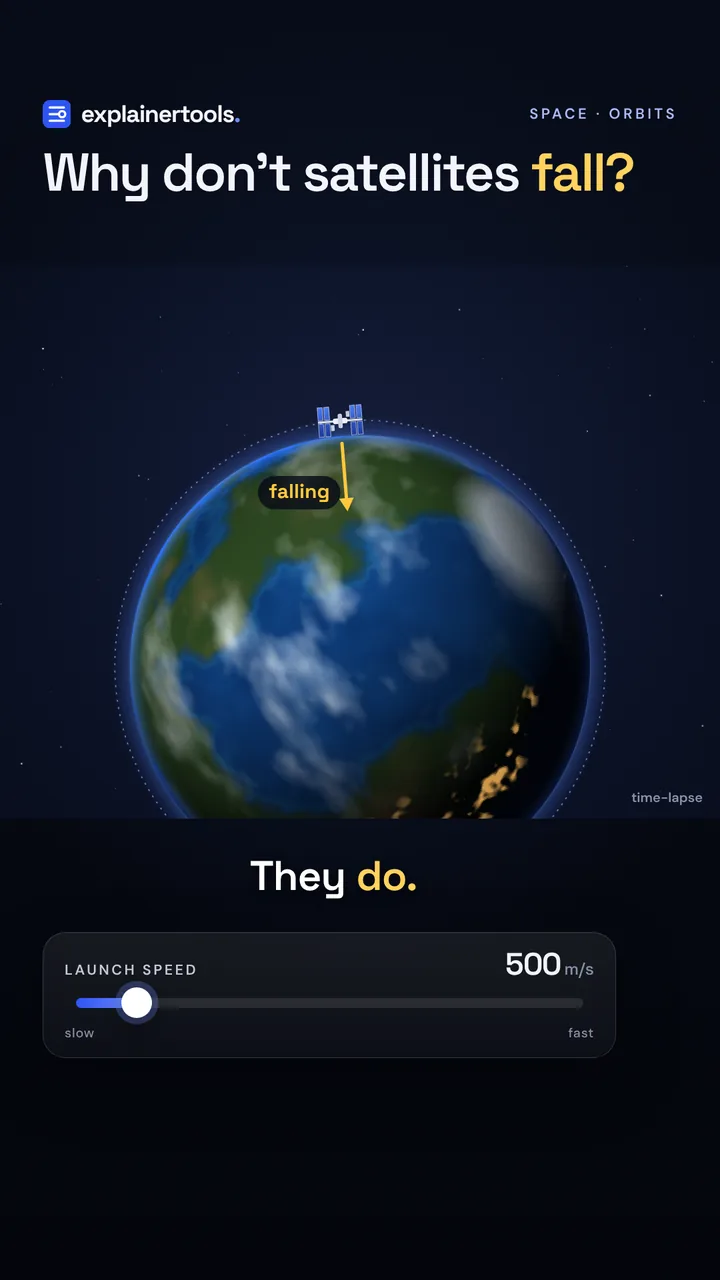
Why don't satellites fall down? Newton's cannon, explained
Satellites are falling right now. Fire Newton's cannonball faster and faster: at about 8 km/s the curved Earth drops away as fast as it falls, and past 11 km/s it escapes for good.
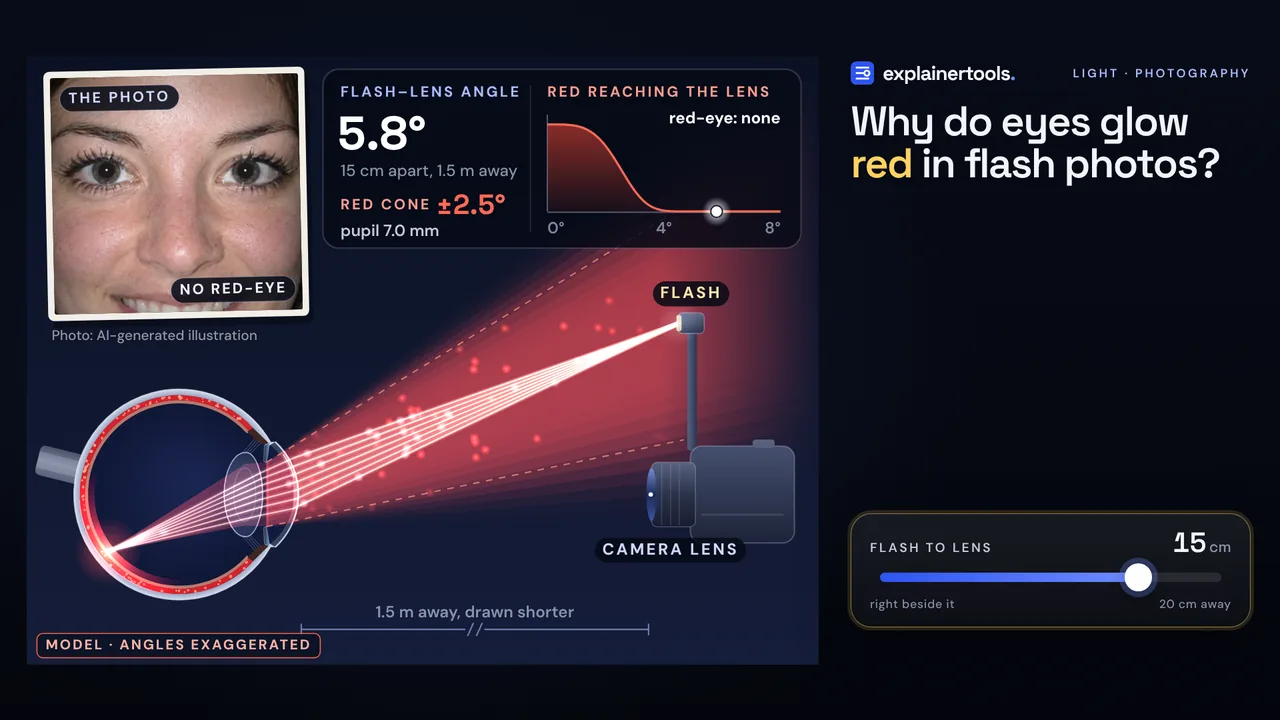
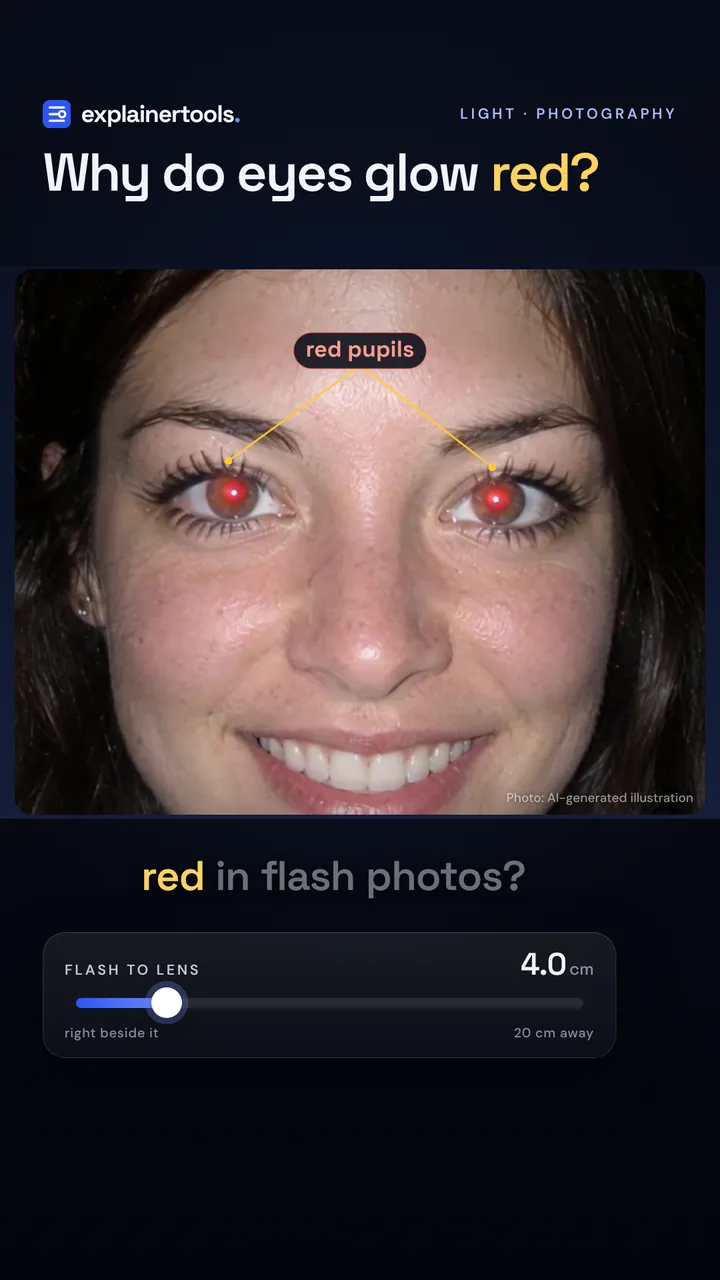
Why do eyes glow red in flash photos? Red-eye, explained
A flash lights up the blood-rich back of a wide-open eye, and the eye sends the red straight back. Slide the flash away from the lens, brighten the room, and see how a pre-flash helps.
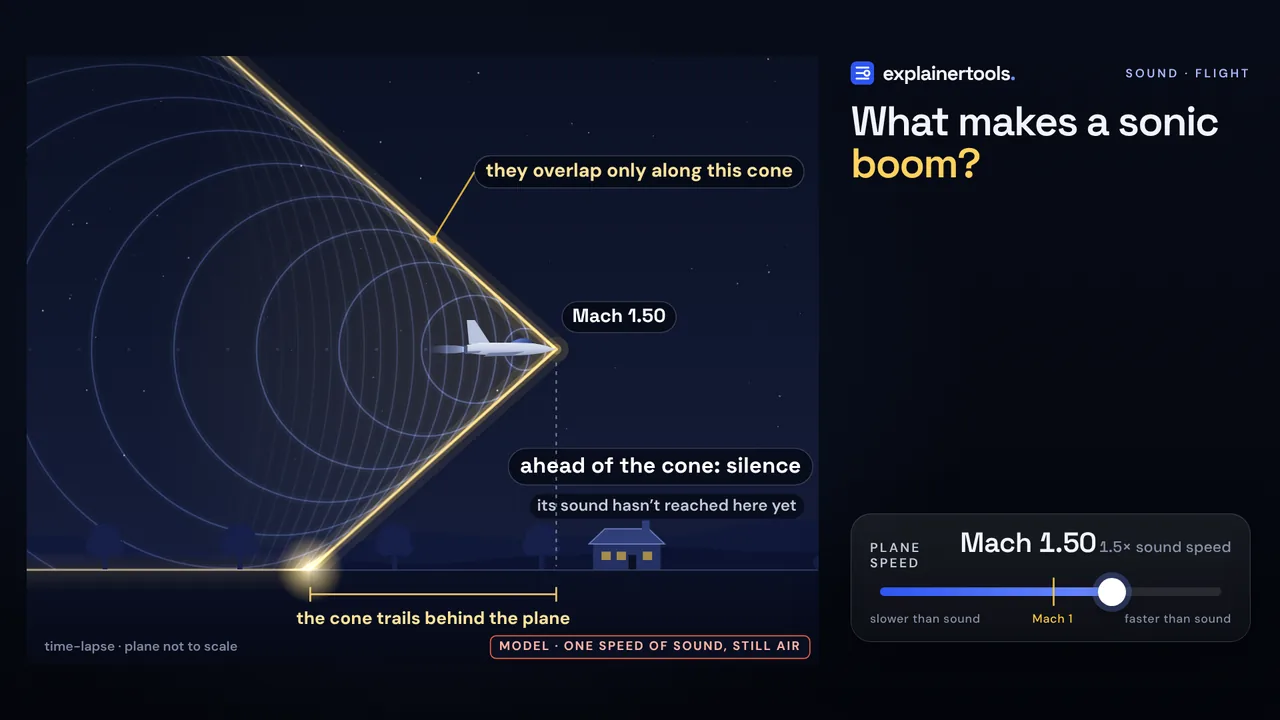
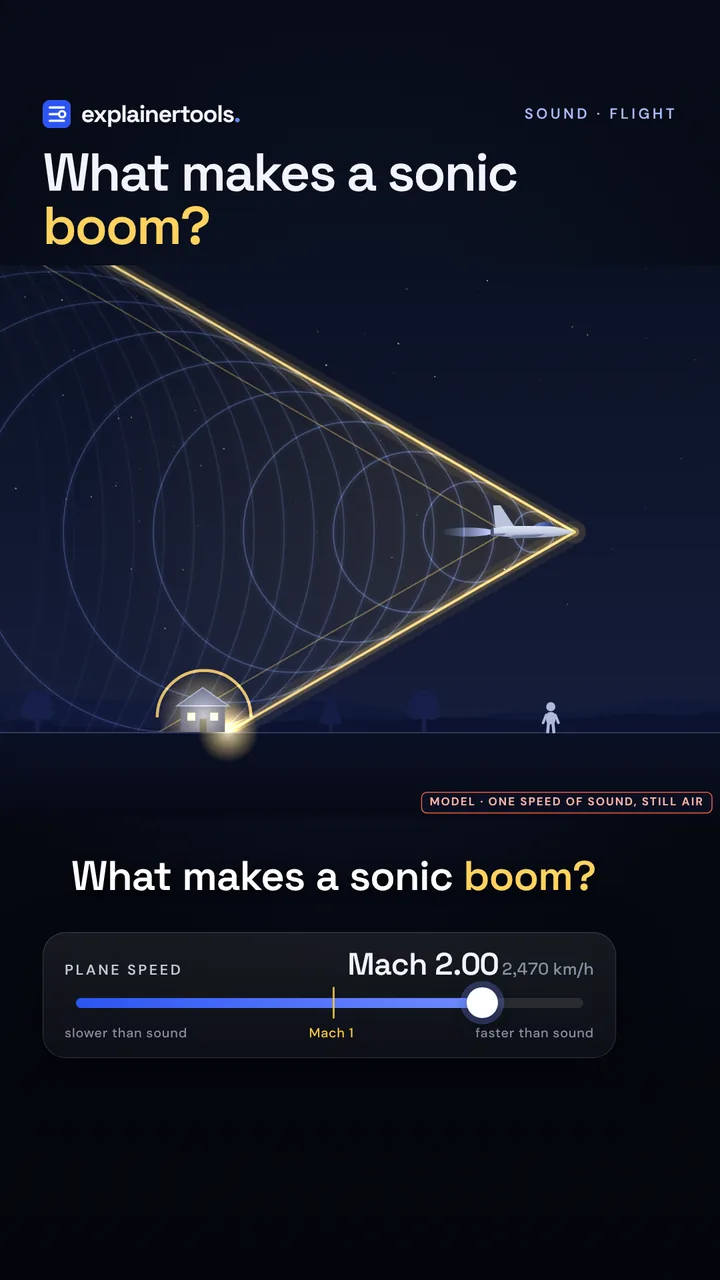
What makes a sonic boom? Mach cones, explained
Below the speed of sound a plane stays inside its own sound rings. Past Mach 1 they pile up into a cone that sweeps the ground the whole time, heard as a sharp double bang.
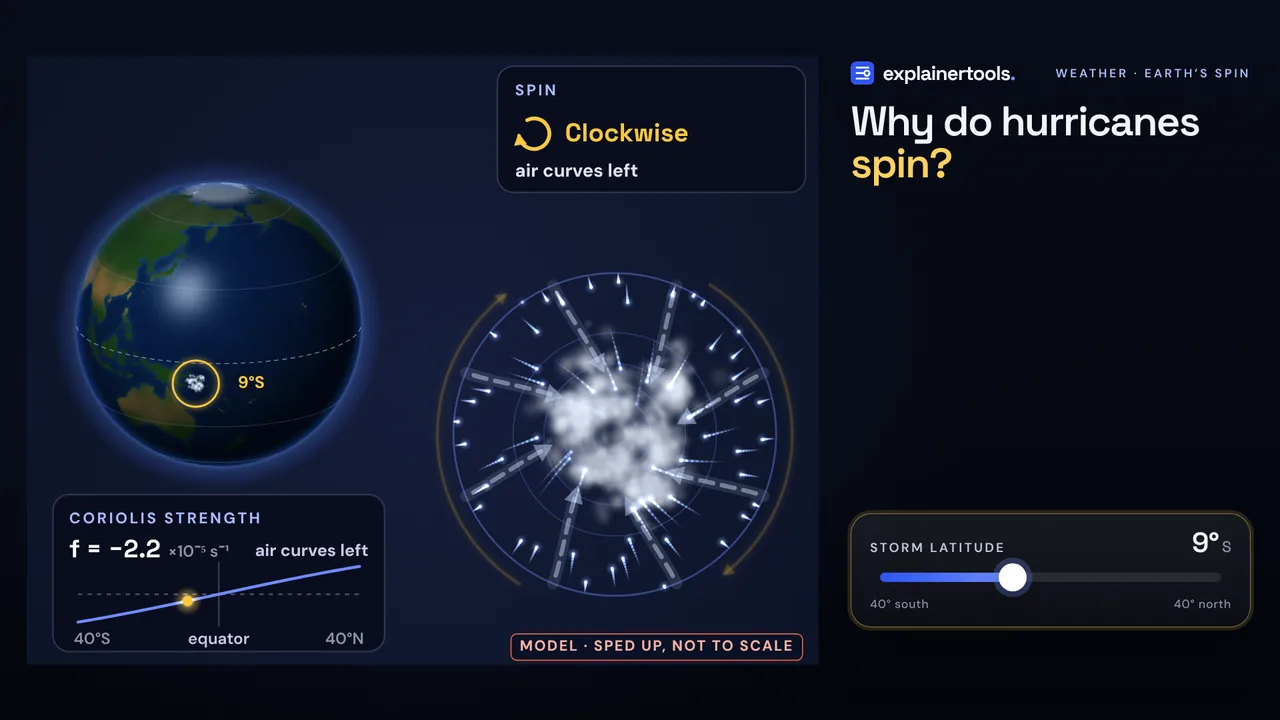
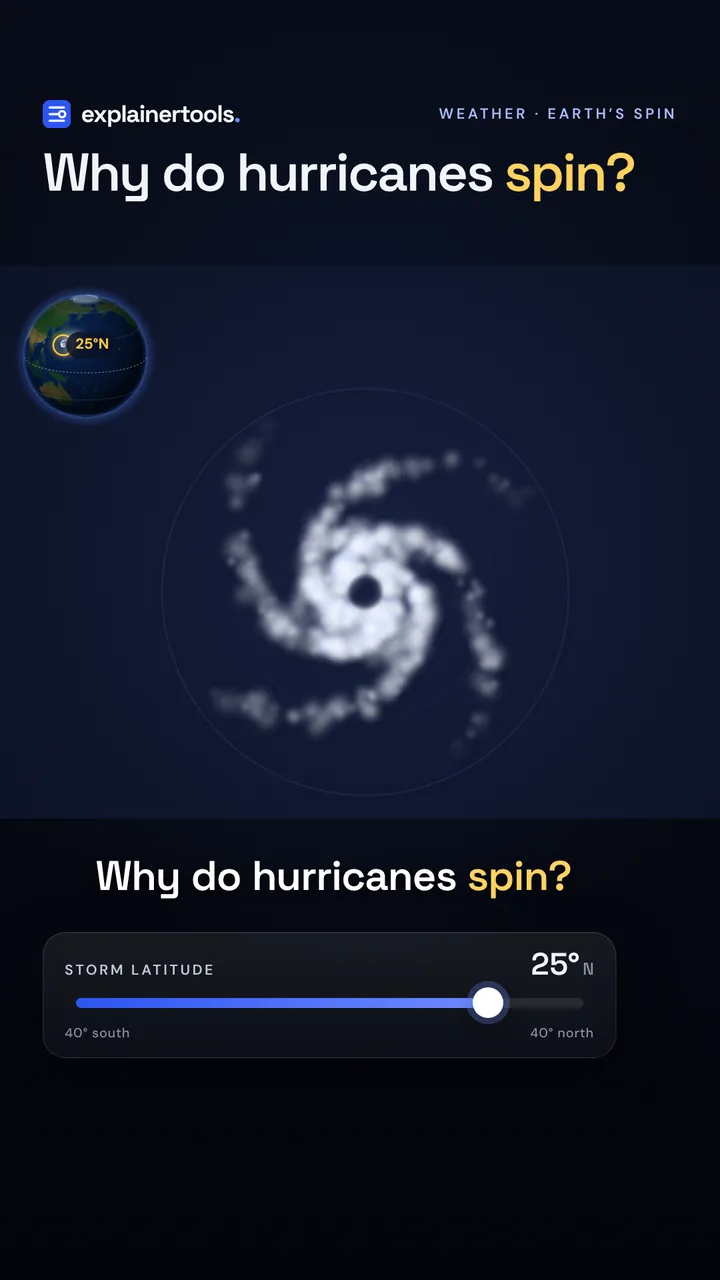
Why do hurricanes spin? The Coriolis effect, explained
Air rushing into a low turns right north of the equator and left south of it, so storms spin opposite ways. At the equator the effect vanishes, and so do hurricanes. Not your sink, though.
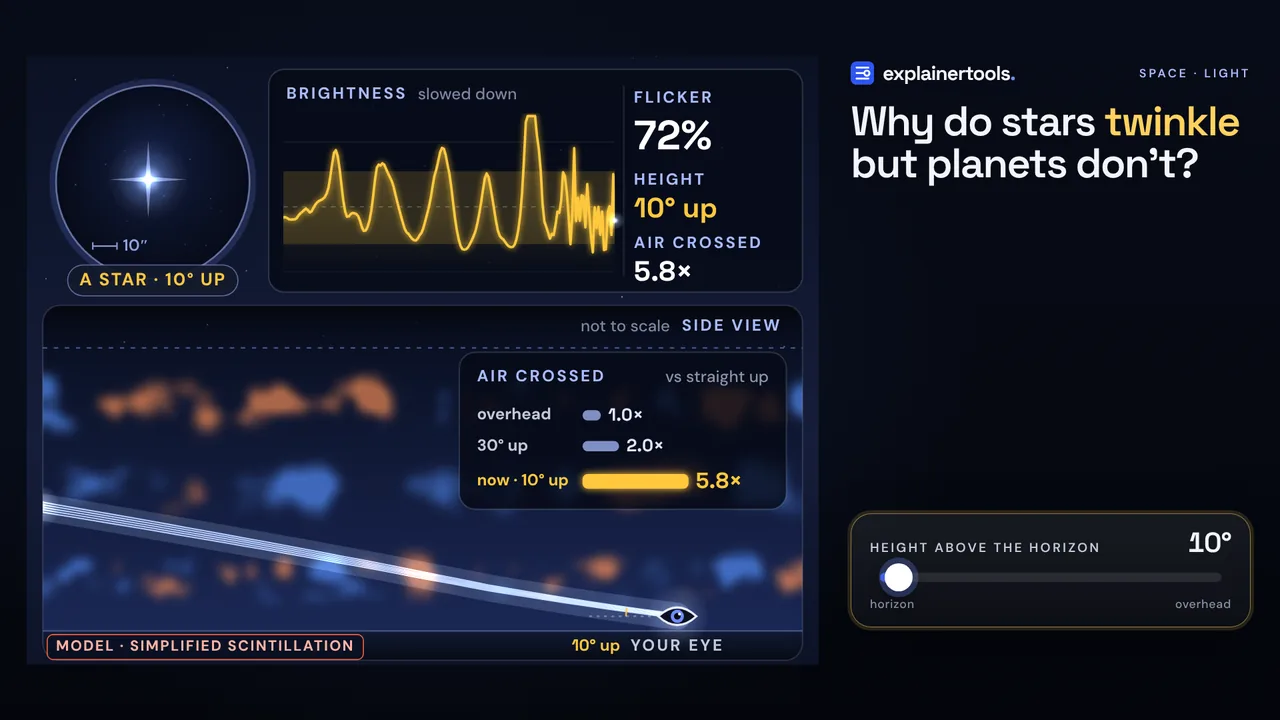
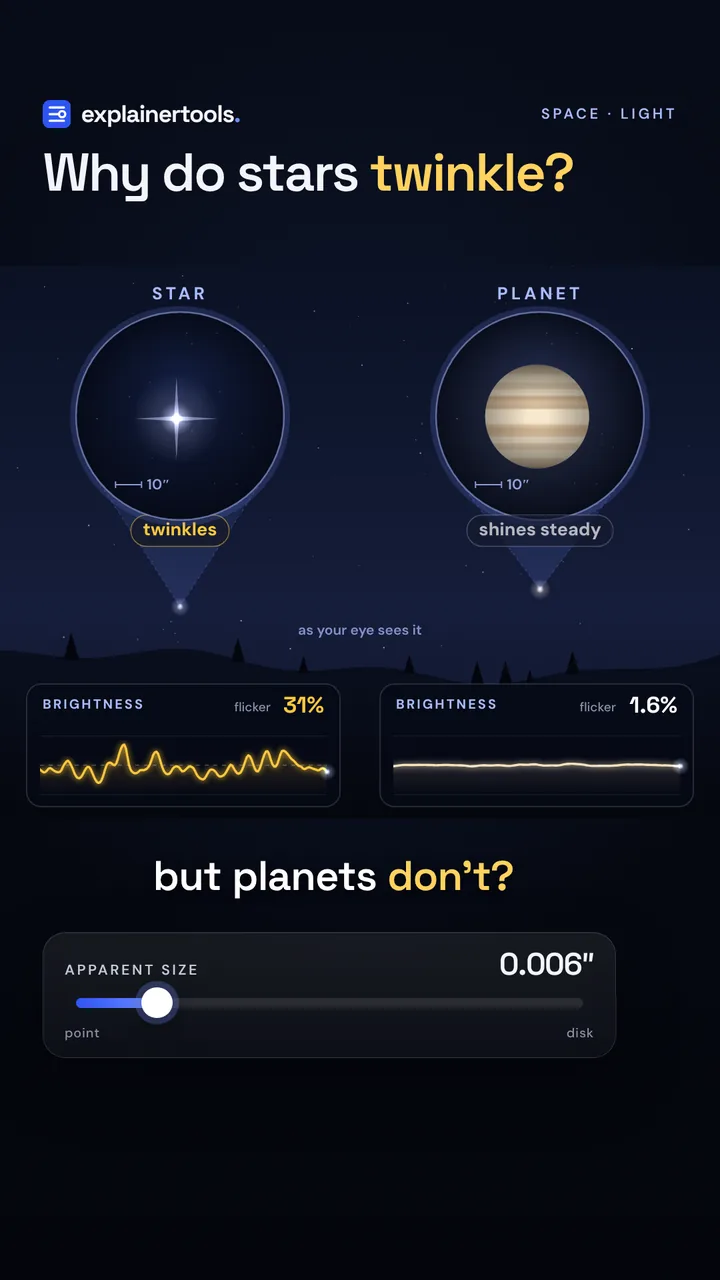
Why do stars twinkle but planets don't? Atmospheric seeing, explained
A star is a single point, so every wobble of our air shifts all of its light at once. Jupiter is a tiny disk whose flickers average out. Lower the star to the horizon and watch it flash.
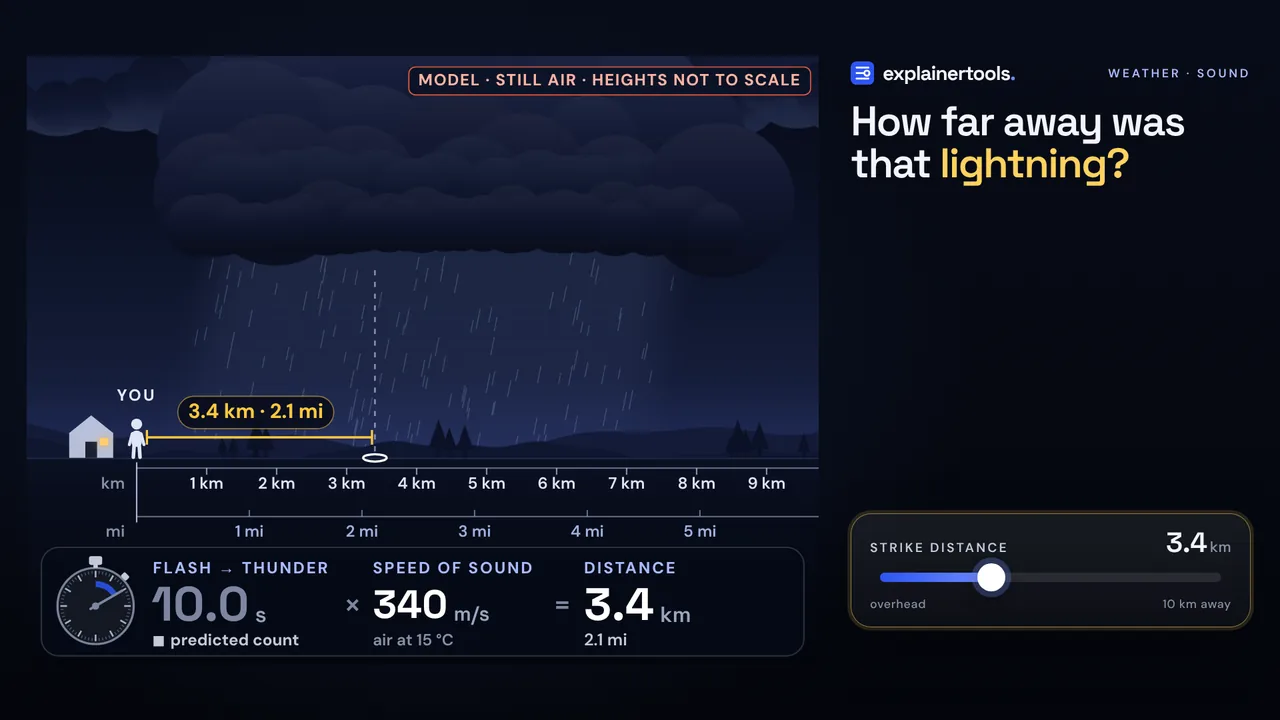
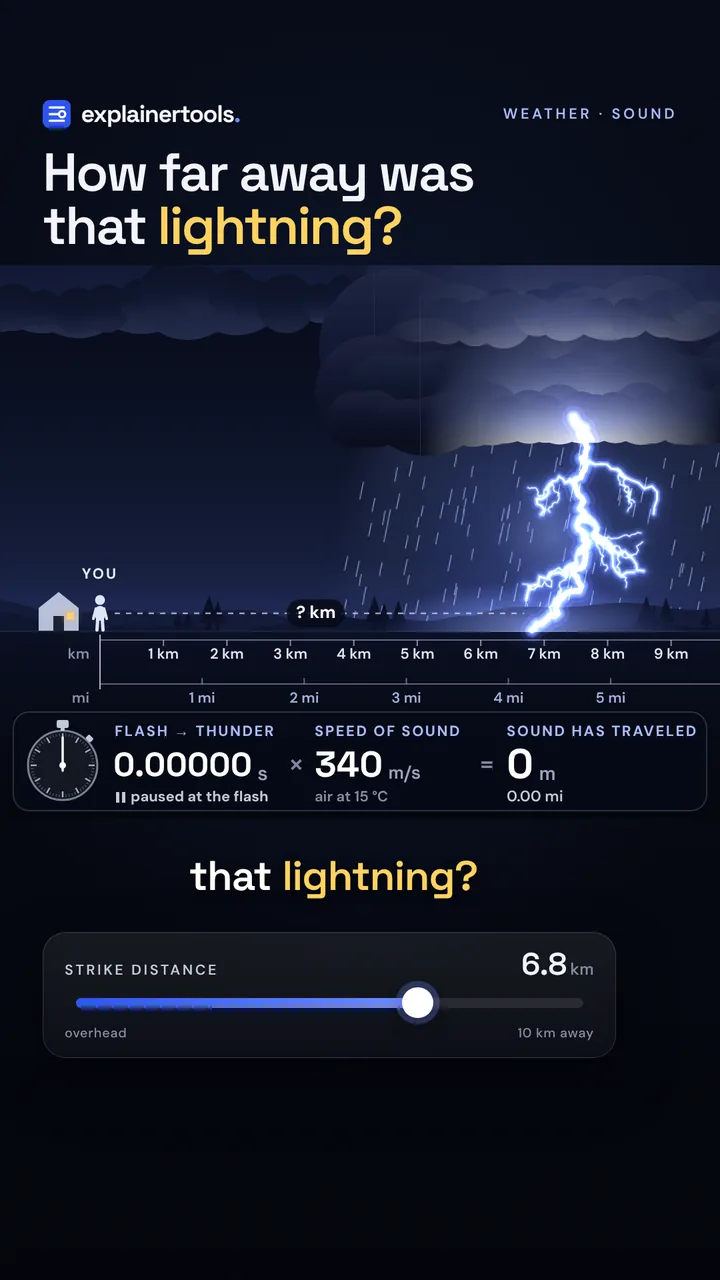
How far away was that lightning? The flash-to-bang count, explained
Light arrives at once; sound takes about 3 seconds per kilometer, 5 per mile. Count from flash to thunder, see why it rumbles, and why hearing thunder means it's time to head indoors.
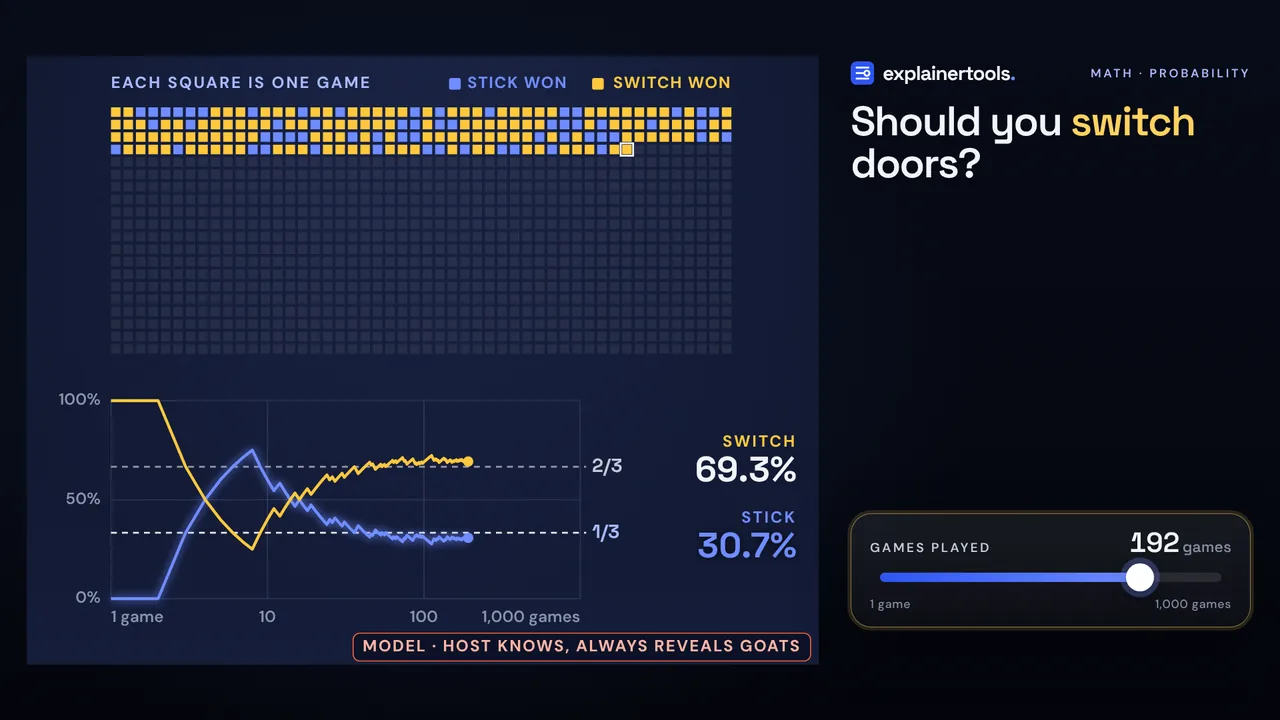
Should you switch doors? The Monty Hall problem, explained
Your first pick has a one-in-three chance, and the host's goat can't change that. Play a thousand games, add a hundred doors, and see why switching wins two times out of three.
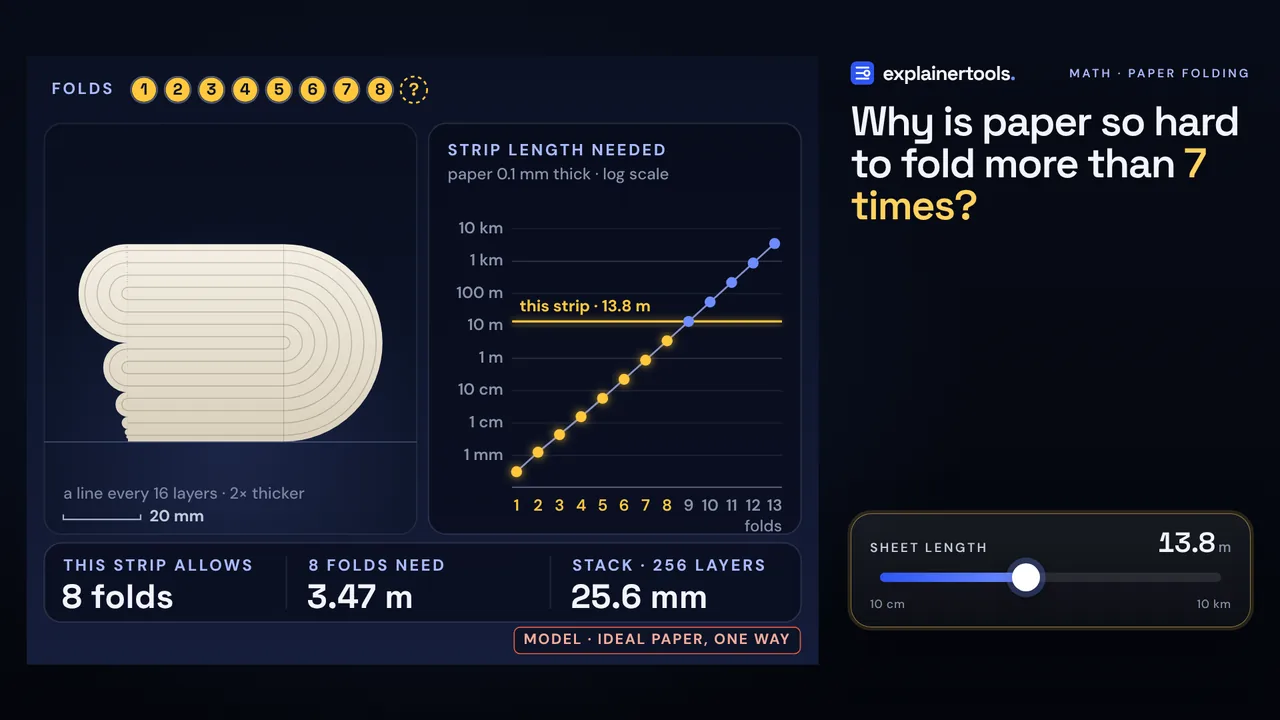
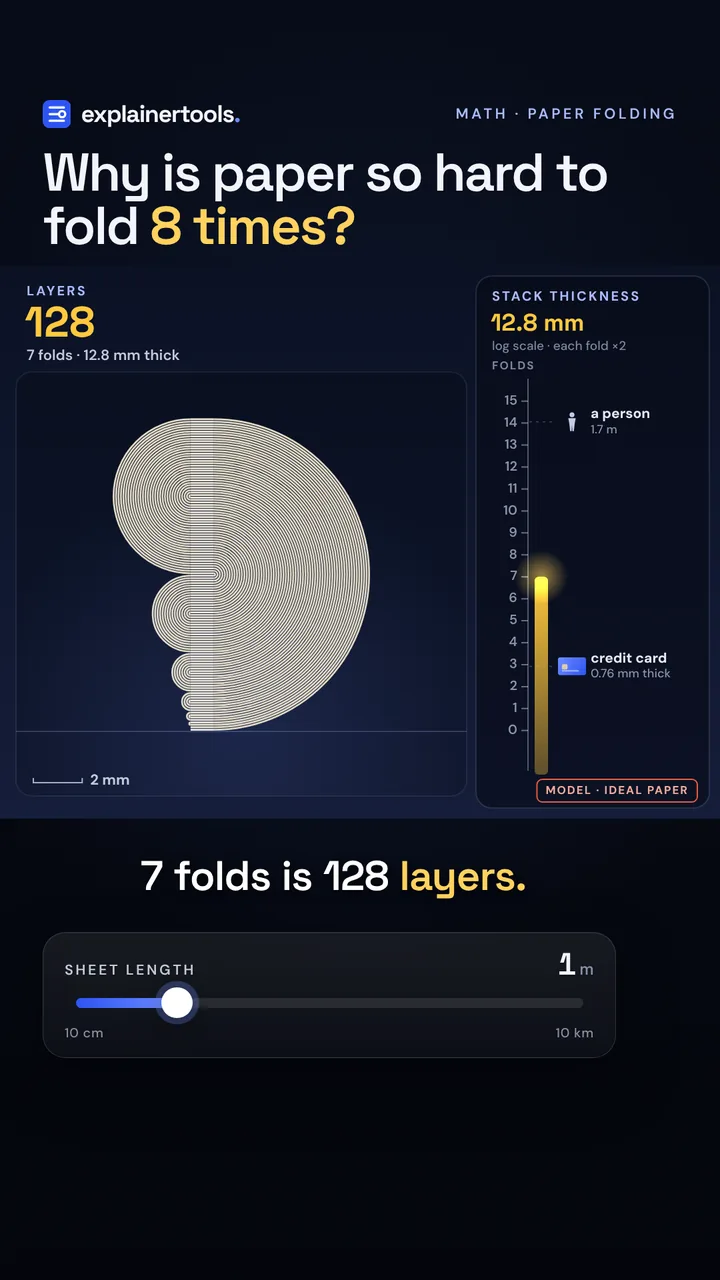
Why can't you fold paper more than seven times? Explained
Every fold doubles the thickness, and each fold's curved edge eats paper. See how Britney Gallivan folded a kilometer-long strip 12 times, and how far 42 folds would reach.
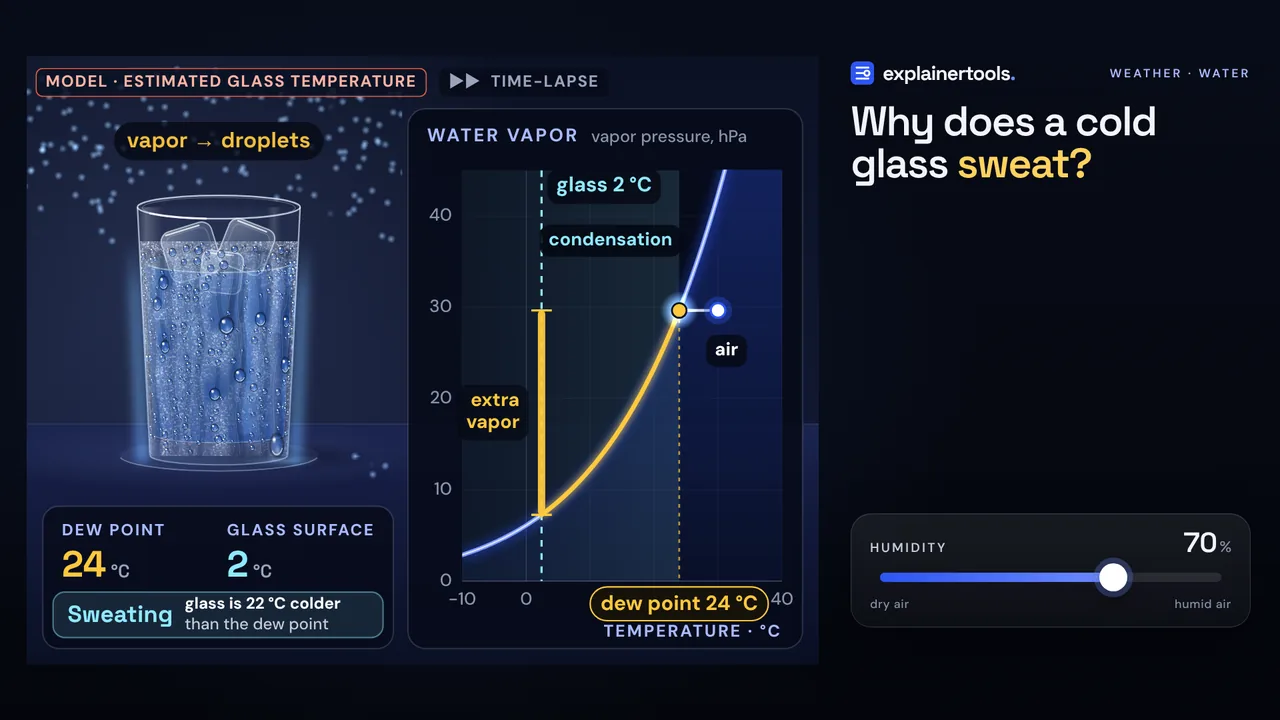
Why does a cold glass sweat? The dew point, explained
The water comes out of the air. When a cold drink chills the air beside the glass below its dew point, vapor condenses. Dry out the room or warm the drink and the sweating stops.
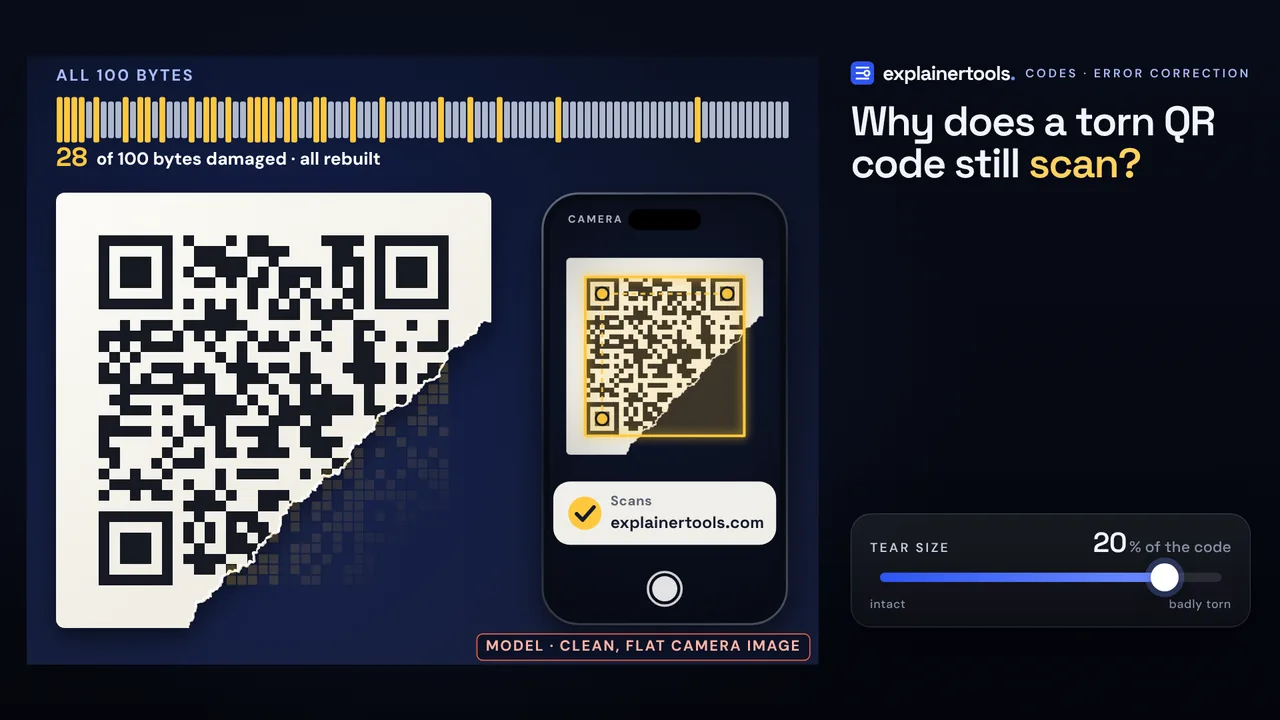
Why does a torn QR code still scan? Error correction, explained
Many of a QR code's squares are Reed–Solomon backup, up to about 30% of the code. Tear a chunk out and it still scans, but cover a corner finder square and most scanners give up.
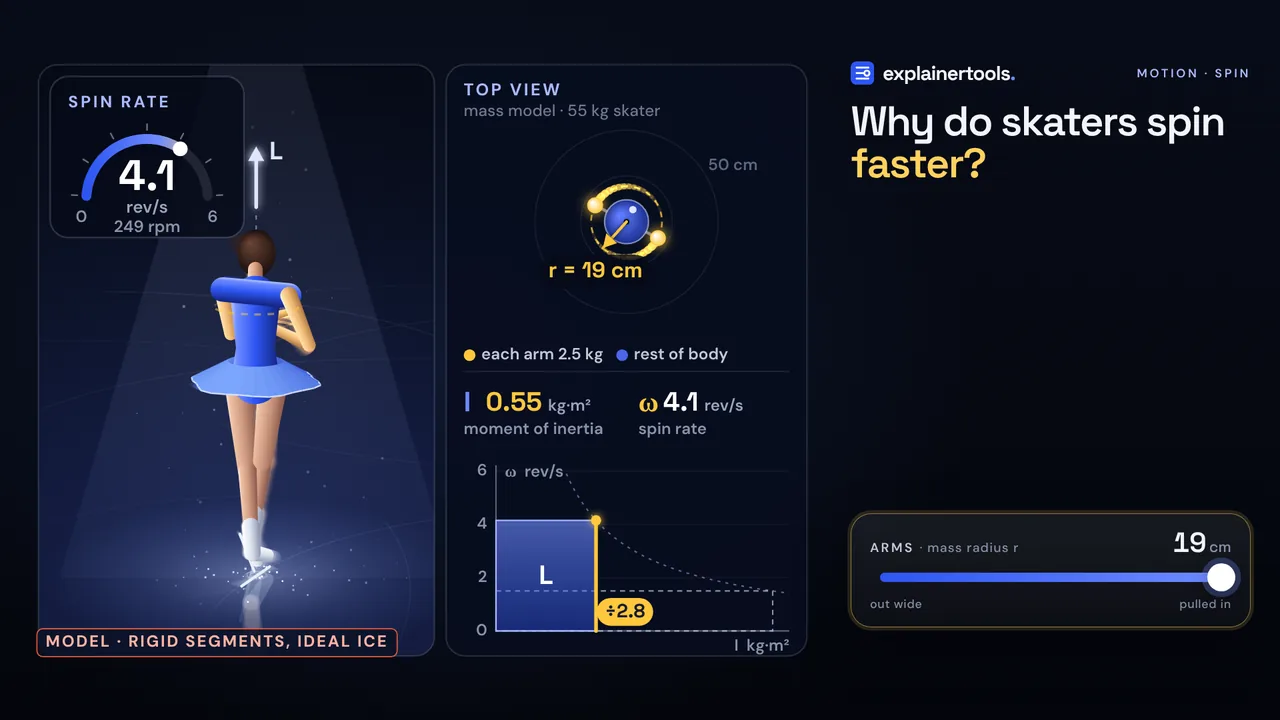
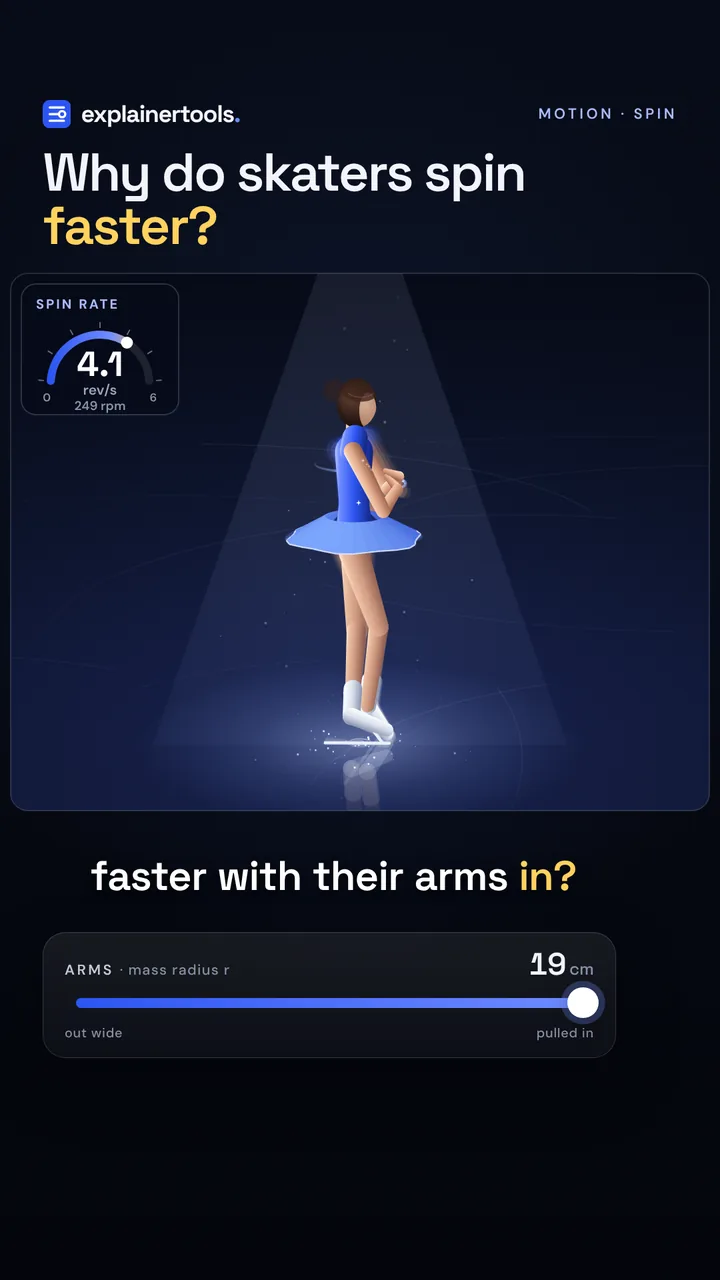
Why do skaters spin faster with their arms in? Angular momentum, explained
Nothing pushes a spinning skater. Pull the arms in and the same angular momentum shows up as speed, from about 1.5 to 4 turns a second, while the skater's muscles add energy.
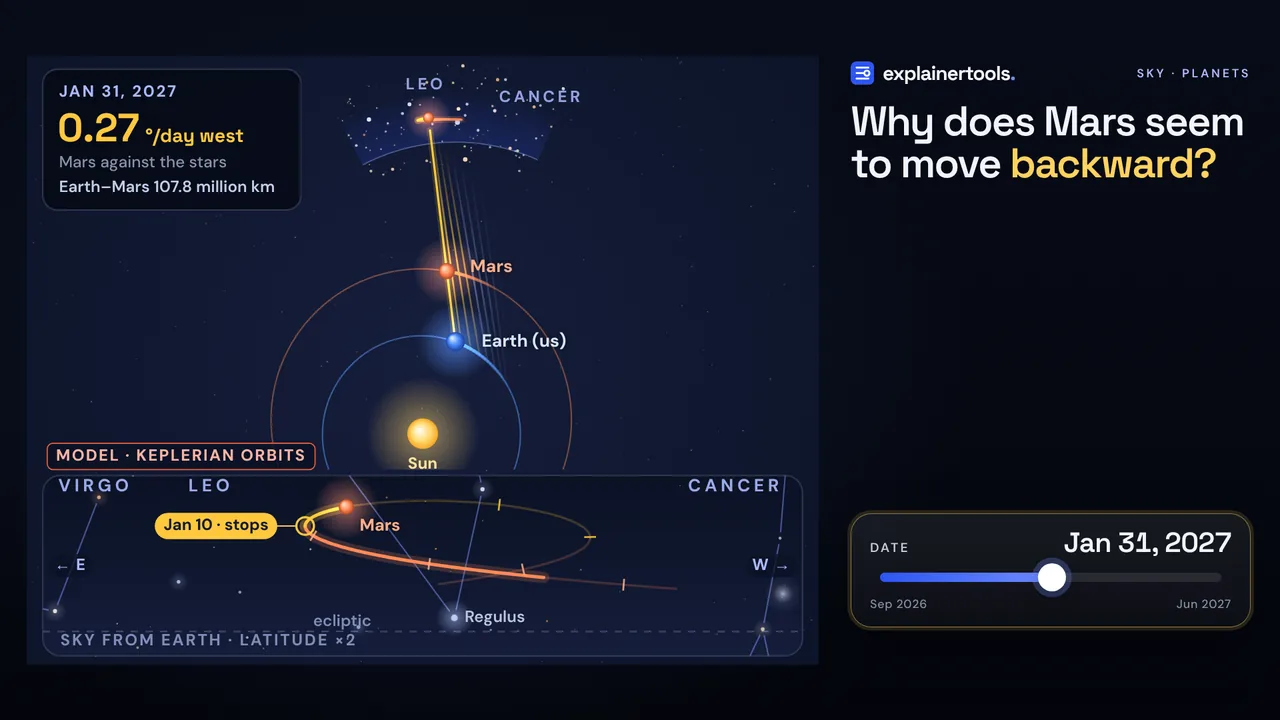
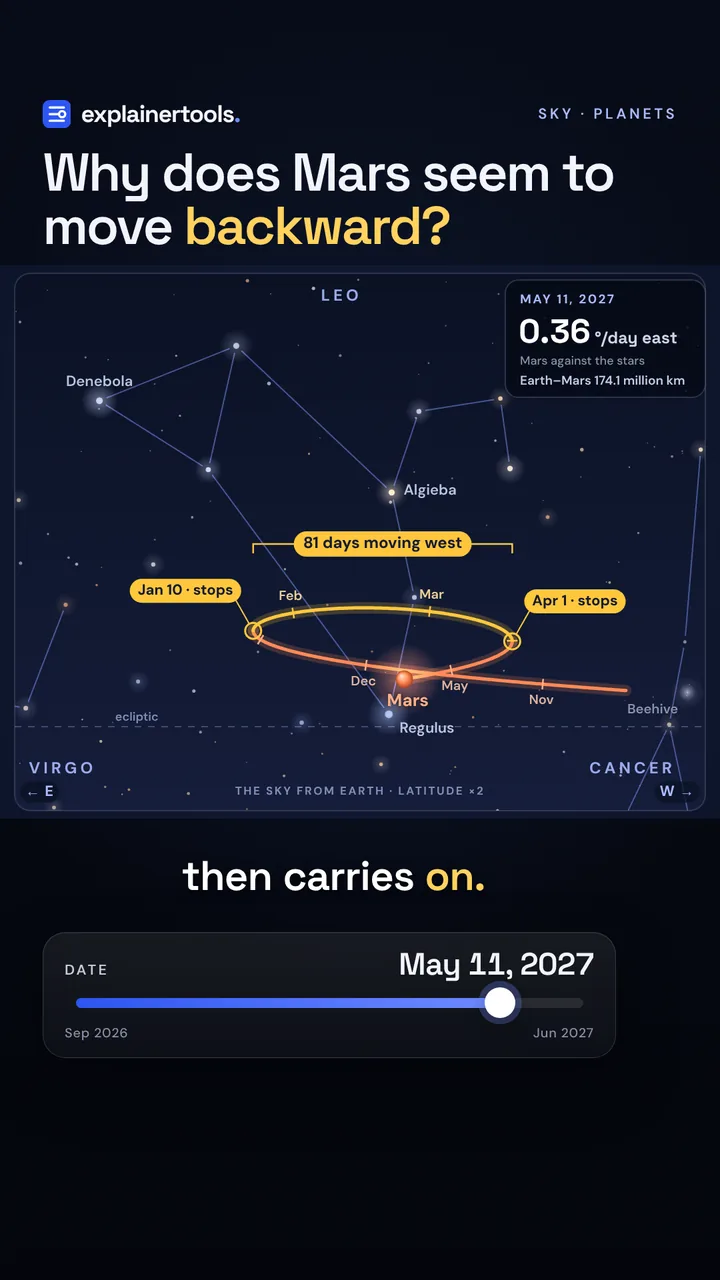
Why does Mars seem to move backward? Retrograde motion, explained
Every two years or so Mars stops, slides back west and carries on. It isn't reversing: Earth, on the faster inside track, is overtaking it, as it will around February 19, 2027.
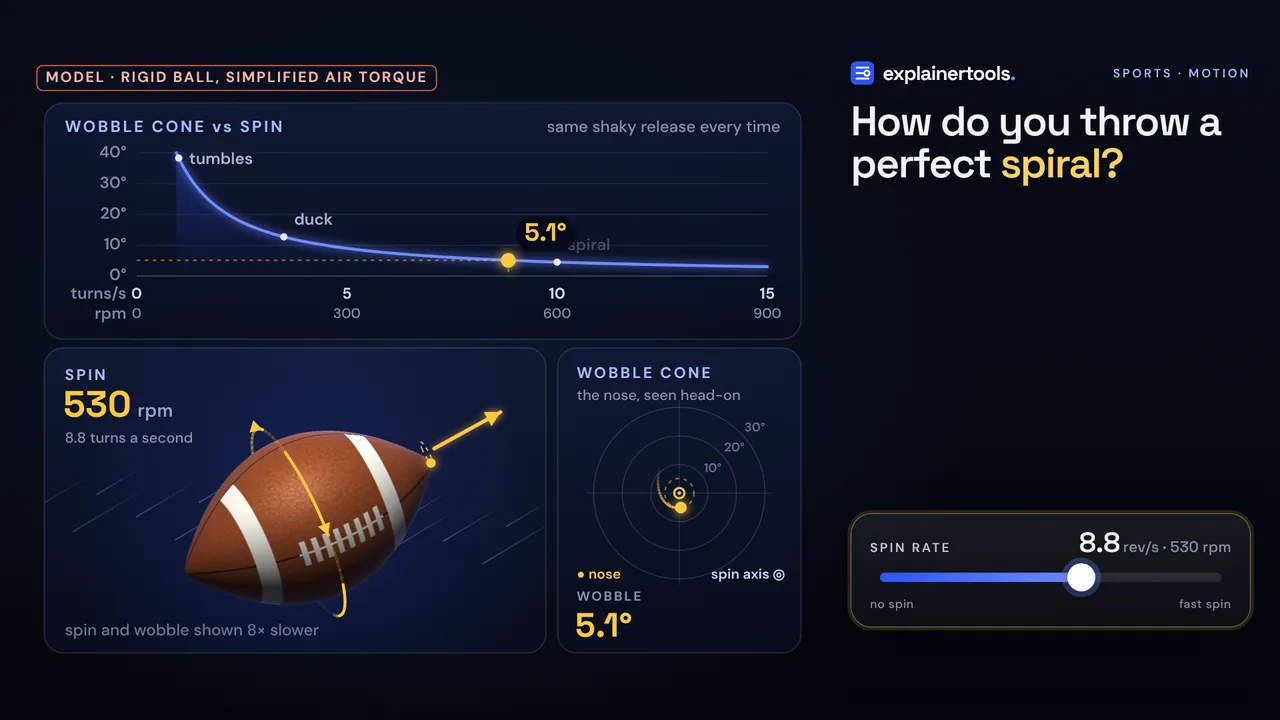
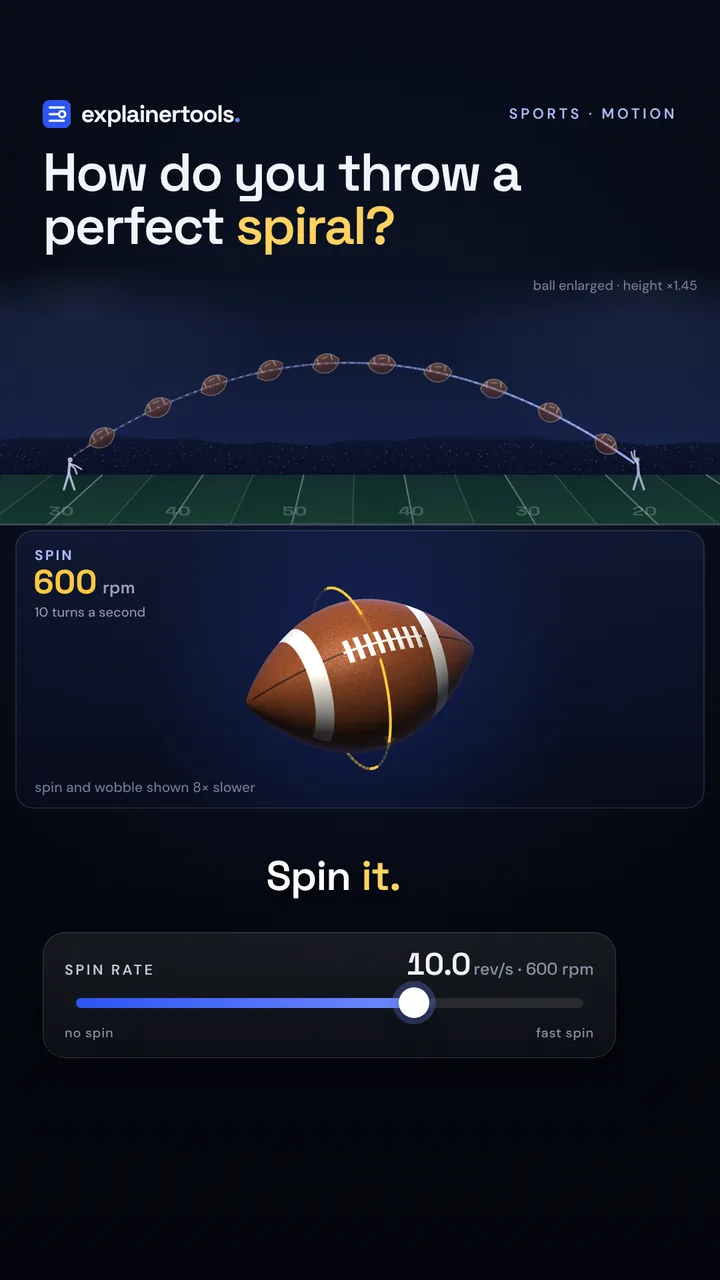
How do you throw a perfect spiral? Football physics, explained
Spin turns a football into a gyroscope. At about 600 rpm a shaky release settles into a tight spiral, and the air swings the nose around so the ball comes down nose first.