Short · Security
Why are AI-run attacks so fast?
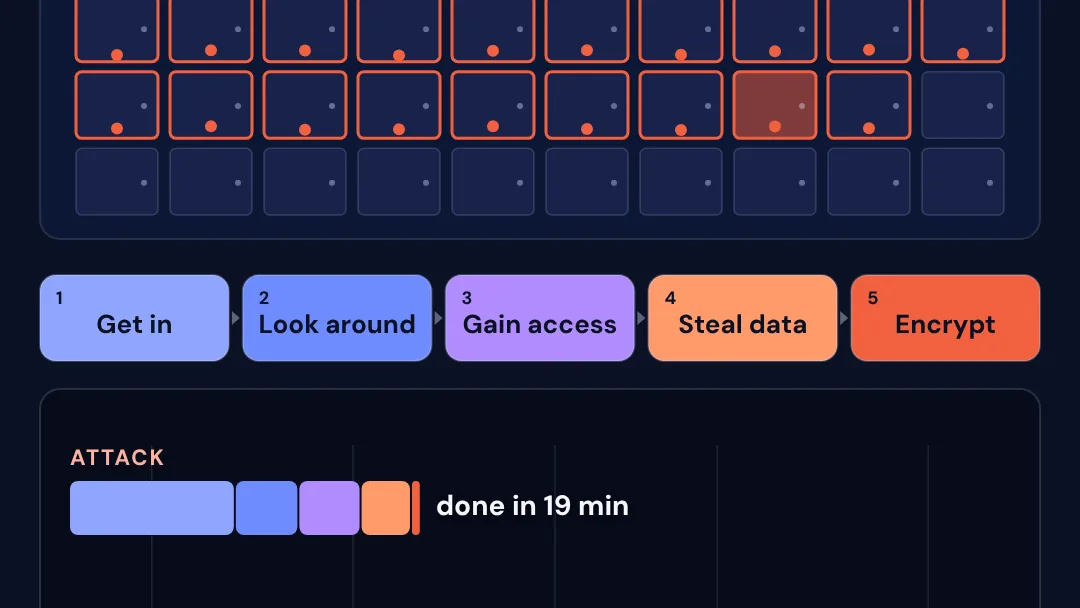
A security researcher says a swarm of AI agents broke into a company, stole its data and encrypted everything in 14 minutes, and that nobody noticed for four and a half hours. That account hasn’t been independently verified, but the logic is simple. A break-in is a chain of steps. A human crew works through them one at a time; thirty agents try every door at once and never pause. Defense is a clock too: time to detect, then time to respond. If the attack finishes first, a fast response doesn’t matter. What still works is blocking a step outright.
Opens Attack Clock Lab. Change the same thing yourself.
Transcript
A security researcher says a swarm of AI agents broke into a company, stole its data and encrypted everything in fourteen minutes. Nobody noticed for four and a half hours. That account hasn't been independently verified, but the logic is simple. A break-in is a chain of steps: get in, look around, gain access, steal, encrypt. A human crew works through them one at a time. Now add agents. Thirty of them try every door at once, and never pause. Defense is a clock too: time to detect, then time to respond. If the attack finishes first, a fast response doesn't matter. What still works is blocking a step outright. Follow for more explainers like this.
Learn more
Learn more about AI-run attacks
This model races an attack against the defender’s clock. The guide adds the 14-minute account and why it is unverified, the steps of an intrusion and what still stops a fast attacker.
- Topic guideWhy are AI-run cyberattacks so fast?The account, the attack chain, the two clocks and blocking a step.
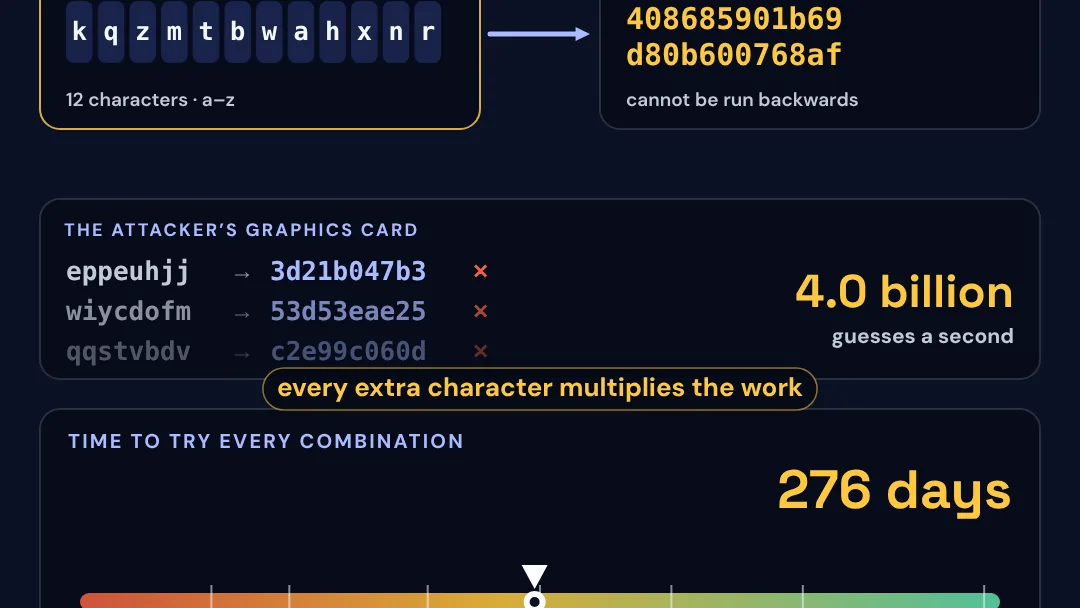 Interactive · Hash Crack LabHow can opening an email leak your password?The first link of the chain: how a leaked hash becomes a password.
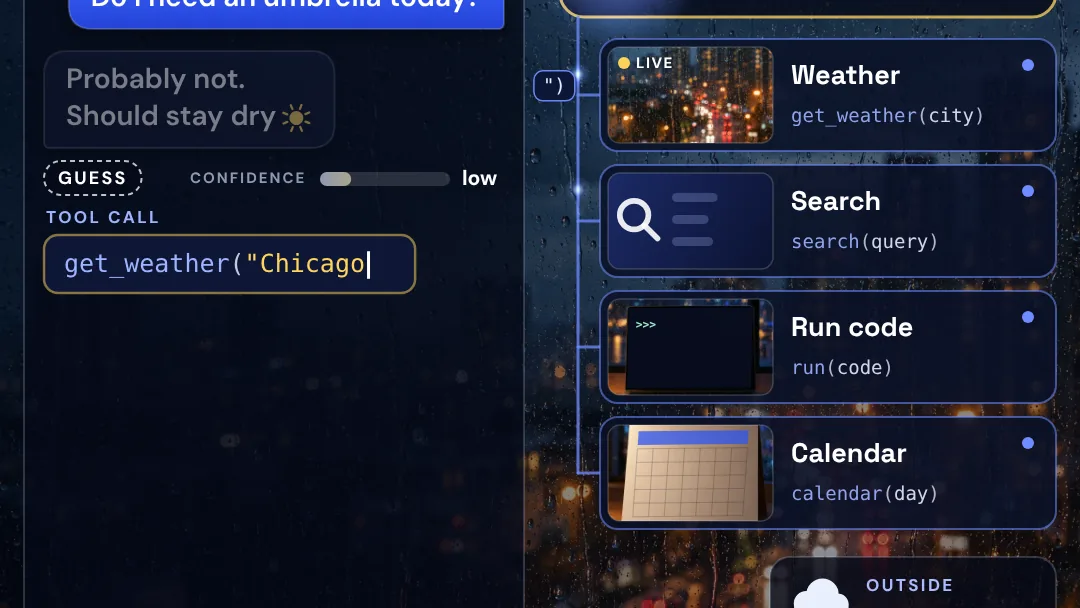 Interactive · Agent ToolsWhy do AI agents need tools?What an AI agent is: a model that can use tools.
 JournalWhy are AI-run attacks so fast?A researcher says AI agents took a company from login to ransomware in 14 minutes. The claim is unverified, but the reason agents are fast is simple.